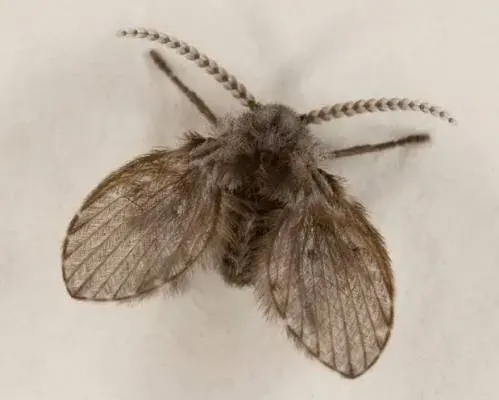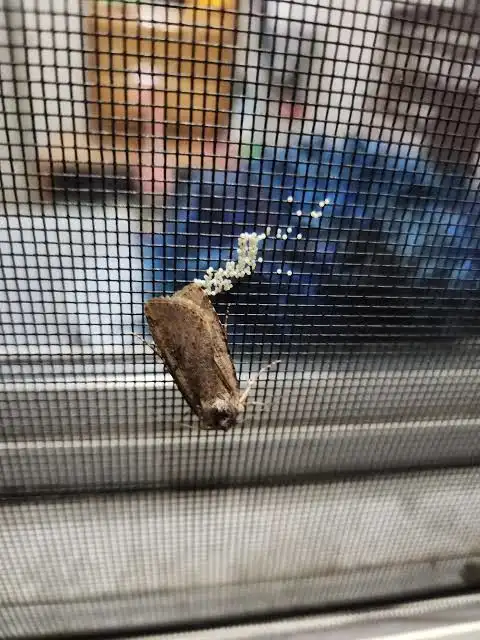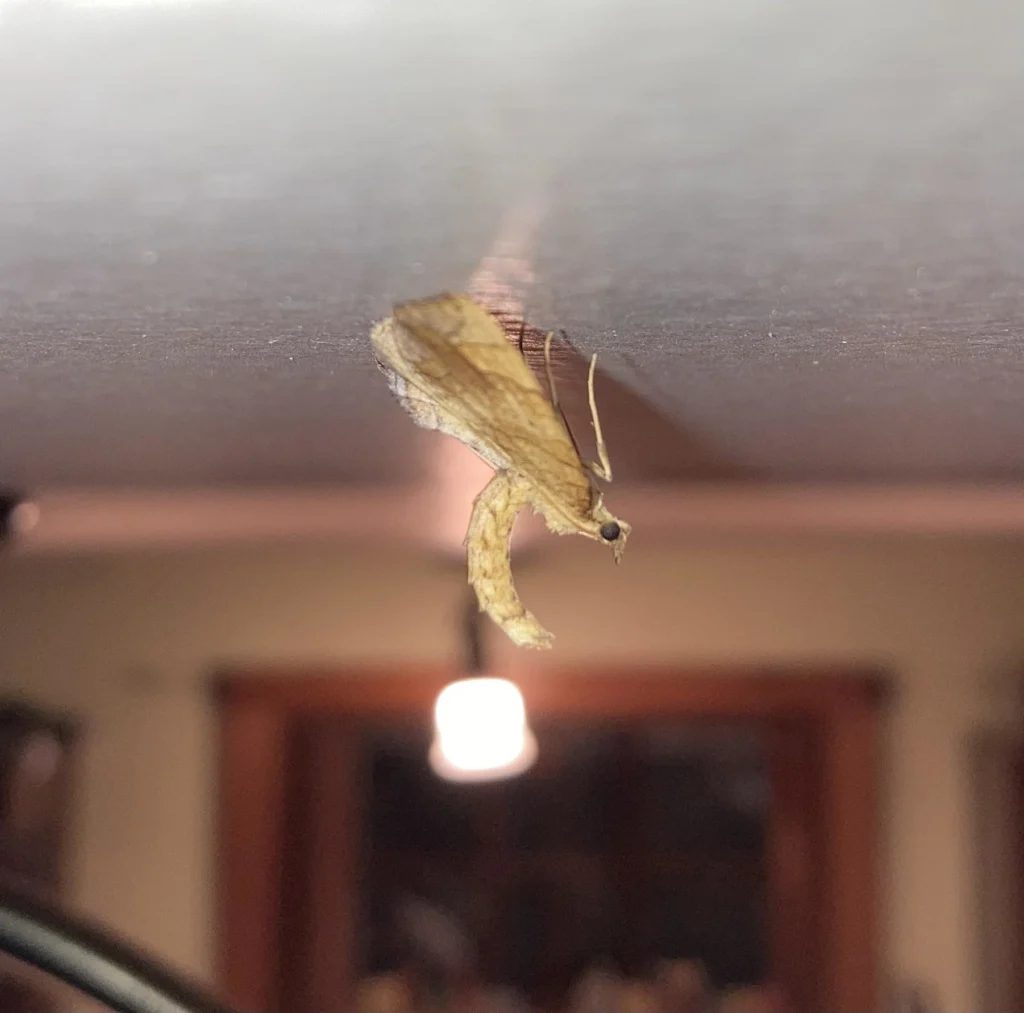
Three things separate most moths from most butterflies without a magnifying glass: the antenna tip, the way the wings are held at rest, and what the pupa looks like. The chart below puts those clues side by side, and the sections after it explain resting position and the cocoon-versus-chrysalis question in detail, including the species that break each rule.
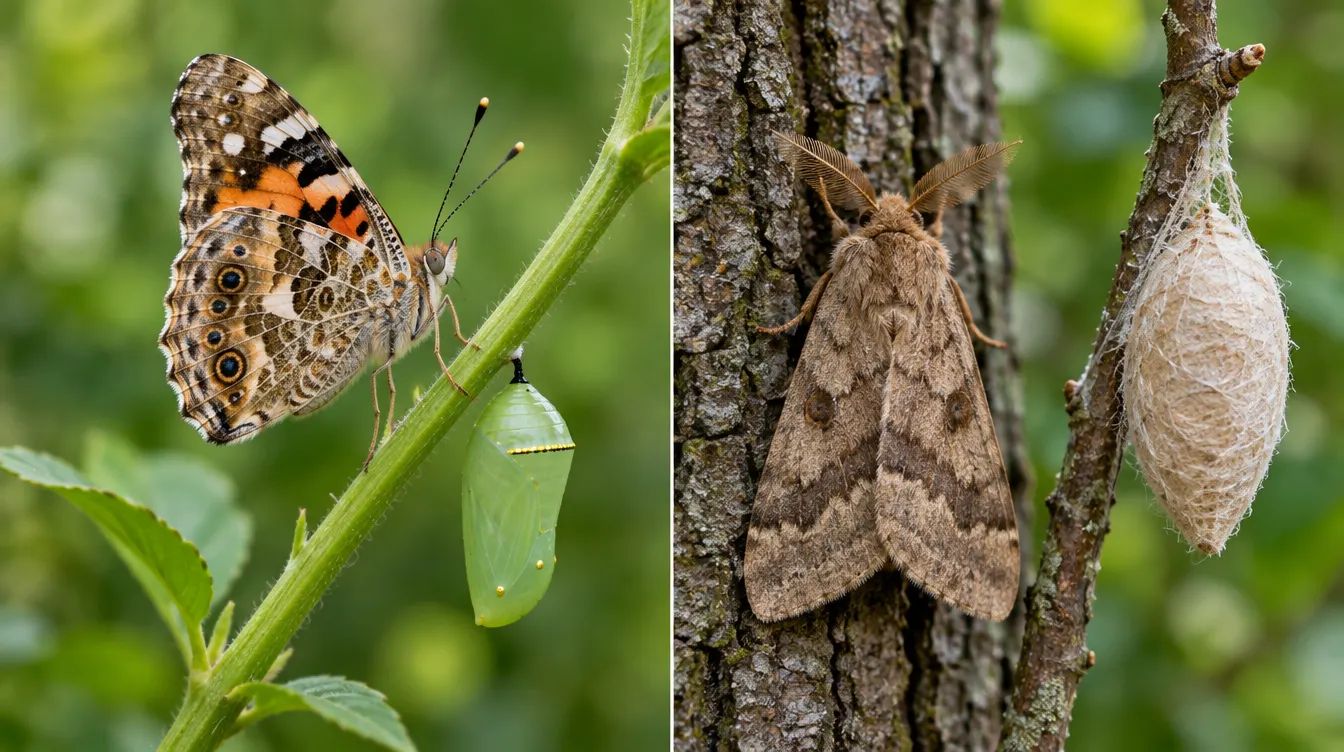
Moth vs Butterfly Identification Chart
No single row settles an identification. Read down the chart and count how many clues point the same way; the last two columns show how much weight each one deserves.
| Clue | Butterfly | Moth | How reliable | Main exceptions |
|---|---|---|---|---|
| Antenna tip | Slender, ending in a club; hooked club in skippers | Threadlike, tapered, comb-like or feathery, no club | Strong | Sun moths (Castniidae) and a few other moth families have clubbed antennae |
| Wings at rest | Closed together upright over the back | Flat against the surface, or folded roof-like over the body | Moderate | Some geometer moths hold wings upright; metalmarks and spread-wing skippers rest flat |
| Pupa | Bare chrysalis fixed to a stem or leaf by silk | Often inside a silk cocoon, or bare in soil or leaf litter | Moderate | Many moths spin no cocoon; some butterflies and skippers pupate in a silk-and-leaf shelter |
| Body | Slimmer, smoother-looking | Often stouter and furrier | Weak | Skippers are stocky; many small moths are slender |
| Active time | Daytime | Night, dusk or dawn | Weak | Many moths fly by day; a few butterflies fly at dusk |
| Colour | Often bright | Often brown or grey | Poor | Many moths are vivid; many butterflies and skippers are plain brown |
The antenna row is the one to check first, and it has its own page: moth vs butterfly antennae comparison. The next two rows are the subject of the rest of this article.
Moth vs Butterfly Resting Position
A settled butterfly usually closes its wings together above its back, so you see the undersides. A settled moth usually keeps its wings down, so you see the upper side of the forewings. It is the easiest clue to check from a distance, because it needs no close view of the head.
How butterflies rest
- Wings closed upright. The standard posture when perched, feeding or roosting. The two pairs of wings press together like a closed book.
- Wings open to bask. Butterflies warm up by spreading their wings toward the sun, so an open-winged butterfly on a cool morning is not a moth. Watch for a minute; it will usually close them.
- Wings half-open at two angles. Many grass skippers hold the forewings partly raised and the hindwings flatter, giving a folded, jet-like outline.
How moths rest
- Flat against the surface. Wings spread to the sides and pressed onto bark, a wall or a leaf, as many geometer moths do. The whole wing pattern is visible from above.
- Roof-like or tent-like. Forewings sloped over the body like a pitched roof, hiding the hindwings. Many owlet moths and other porch-light visitors sit this way, which gives them a triangular outline.
- Wrapped or rolled. Some small moths curl the wings around the body and look like a short stick or a sliver of bark.
These postures suit a daytime rest in the open: the forewings carry the camouflage, and keeping them flat removes the shadow that would give the moth away.
Species that break the rule
The Australian Museum lists exceptions on both sides. Many moths, including some geometers, hold their wings up in a butterfly-like way. Metalmark butterflies and the spread-wing skippers rest with wings flat, like moths.
So treat resting position as a moderate clue. Upright wings plus a clubbed antenna is a butterfly. Flat or tented wings plus a tapered or feathery antenna is a moth. When posture and antenna disagree, trust the antenna.
What to photograph
- Take one shot from directly above and one from the side before the insect moves.
- Note whether the hindwings are hidden under the forewings.
- Note the time of day and whether it was basking, feeding or sheltering.
The side view is the one people forget, and it is the one that shows whether the wings are upright, sloped or flat. Wing markings then narrow things further; see moth identification by wing pattern.
Moth vs Butterfly: Cocoon and Chrysalis
A chrysalis is the pupa itself; a cocoon is a silk wrapper around a pupa. They are not two versions of the same thing, which is why “butterfly cocoon” is the wrong phrase.
- Pupa is the life stage between caterpillar and adult, in both moths and butterflies.
- Chrysalis is the name for a butterfly pupa: the hardened outer skin of the insect, with no covering.
- Cocoon is a case a caterpillar spins from silk before it pupates, often with leaves, hairs or soil worked in. The pupa sits inside it.
A moth pupa has no special name of its own. It is simply a pupa, with or without a cocoon around it.
How to tell which one you found
| What you see | Most likely | Why |
|---|---|---|
| Smooth, hard, bare case hanging head-down from one point | Butterfly chrysalis | Monarchs and their relatives hang from a small silk button |
| Bare case held upright against a stem by a thin silk thread around the middle | Butterfly chrysalis | Whites and swallowtails add a silk girdle |
| Papery or fibrous silk case, often with a leaf wrapped in, on a twig or in leaf litter | Moth cocoon | The pupa is hidden inside the silk |
| Shiny brown, bullet-shaped pupa loose in garden soil, no silk | Moth pupa | Many moths pupate underground without a cocoon |
Chrysalises tend to have angles, ridges or points, and many are green or brown to match leaves and stems. Some carry metallic spots; the monarch chrysalis has a row of gold dots. Moth pupae inside cocoons or soil are usually plain brown and rounded.
Butterflies do use silk at this stage, but only as an anchor. A monarch caterpillar spins a small silk pad, hangs from it, and the chrysalis hooks into that pad with a stalk at its tip called the cremaster.
Moths that skip the cocoon
Many moths never spin one. Tomato and tobacco hornworms, the caterpillars of sphinx moths, burrow 3 to 4 inches into the soil and pupate there. The pupa is about 2 inches long, dark brown, with a curved sheath for the mouthparts that looks like a jug handle. Gardeners turn these up while digging and often mistake them for a chrysalis.
At the other extreme, giant silk moths such as the atlas moth build thick cocoons of silk and leaves.
Butterflies that use more silk than usual
The Australian Museum notes that many butterflies and skippers form a silken shelter, often with leaves, to pupate in. A few browns (subfamily Satyrinae) pupate lying in a loose cocoon or a cell on the ground. Inside is still a chrysalis, but the outside can look moth-like.
That makes the pupa a moderate clue, about as strong as resting position. A bare, angular case fixed by silk points to a butterfly. A silk case, or a plain brown pupa in soil, points to a moth.
If you find one
Leave it where it is if you can. Do not cut open a cocoon to check what is inside, and rebury a soil pupa at the same depth. Caterpillar clues from the stage before are covered in moth vs butterfly caterpillar differences, and the full sequence is in moth life cycle stages.
When the Clues Disagree
Rank them in this order: antenna tip, then resting position and pupa together, then body shape, with activity time and colour last.
A brightly coloured insect flying at noon with tapered antennae and wings held flat is a day-flying moth. A plain brown one at dusk with hooked antenna clubs is a skipper. If you cannot see the antennae and the other clues split, record it as “moth or butterfly, undetermined” and get a closer photo next time. For the adult-insect overview, see moth vs butterfly.
Frequently Asked Questions
Do butterflies make cocoons?
No. A butterfly caterpillar sheds its skin to reveal a chrysalis, which has no silk wrapper. It uses silk only to anchor the chrysalis. A few species pupate inside a loose silk-and-leaf shelter, but the pupa inside is still a chrysalis.
Do all moths make cocoons?
No. Many moths spin cocoons, and many others pupate bare in soil, leaf litter or a crevice. Sphinx moths are a common soil-pupating example.
Is a chrysalis the same as a pupa?
A chrysalis is one kind of pupa: a butterfly’s. Every chrysalis is a pupa, but a moth pupa is not called a chrysalis.
Do moths ever rest with their wings up?
Yes. Some geometer moths hold their wings closed over the back like a butterfly. Check the antennae before deciding.
Why is a butterfly sitting with its wings flat?
It is probably basking to warm its flight muscles, and it will close its wings when it settles. Metalmarks and spread-wing skippers also rest flat as their normal posture.
References and Further Reading
- What are the differences between butterflies and moths? — Australian Museum. Rules and exceptions for antennae, resting posture, pupae, colour and activity.
- Butterfly moment: cocoon vs chrysalis — Florida Museum of Natural History. Cocoon and chrysalis definitions; moths that pupate in soil.
- What’s the difference between a chrysalis and a cocoon? — Monarch Joint Venture. The monarch’s silk button.
- Tomato hornworm — Texas A&M AgriLife Extension. Pupation depth and pupa description.
- A safety band prevents falling of the suspended pupa of the butterfly Inachis io — Zoomorphology (abstract). Silk girdle in the large white; satyrines that pupate in cocoons or cells.