At first glance, the moth vs butterfly question seems simple. Butterflies are colorful, graceful daytime visitors. Moths are dull, fuzzy insects that appear around porch lights at night. That is the version many of us learn first.
But nature rarely follows our neat little rules.
Some moths fly during the day. Some moths are brightly colored. Some butterflies are plain, pale, or active around dusk. And both insects belong to the same order, Lepidoptera, a group known for scaly wings. The Smithsonian notes that moths and butterflies are close relatives, and moths can often be distinguished from butterflies by their antennae: moths usually have threadlike or feathery antennae, while butterflies usually have club-tipped antennae.
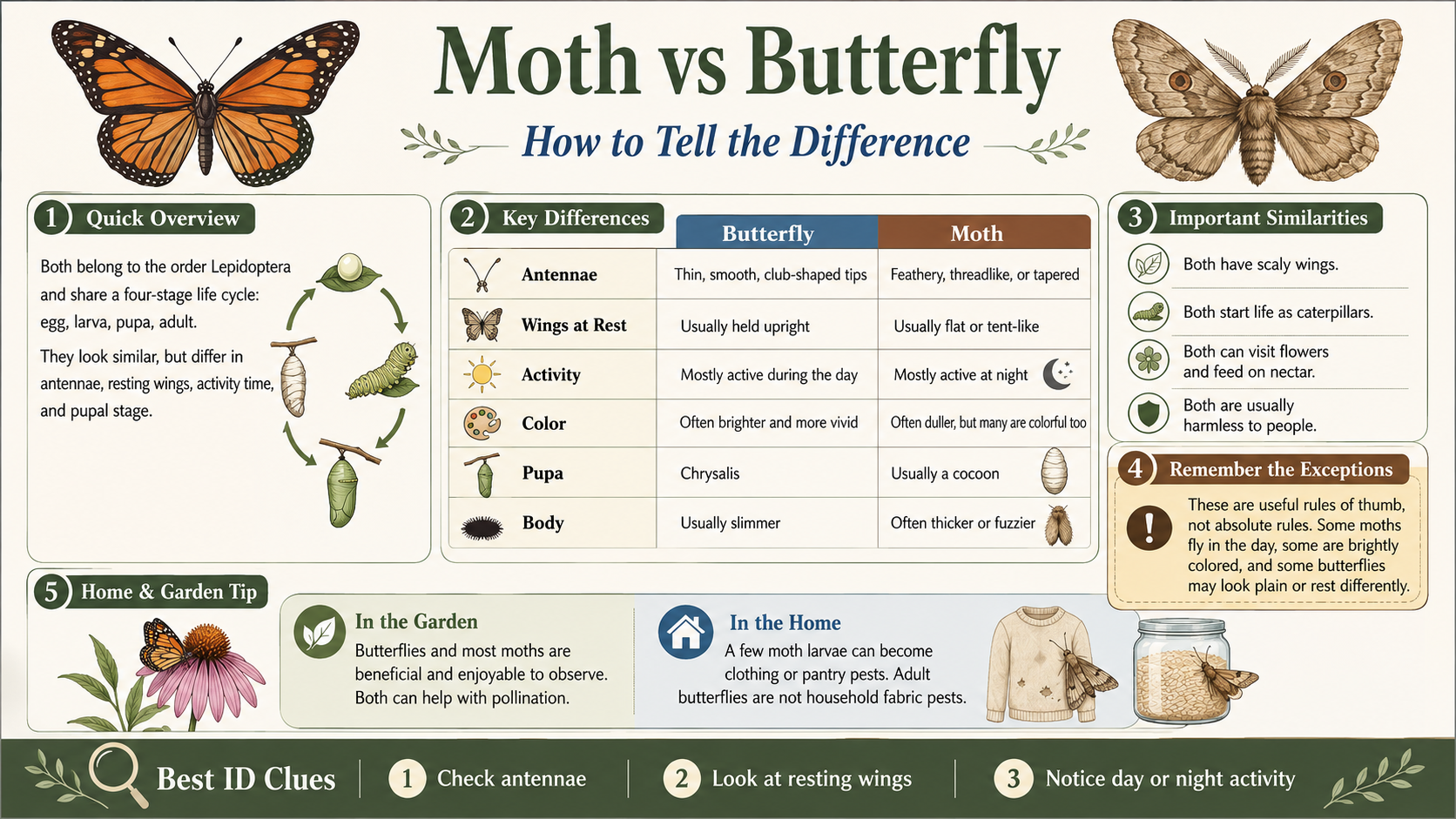
So, how do you actually tell them apart? The best answer is not one single clue. It is a combination of antennae, resting wing position, body shape, color, activity time, and life cycle.
Moth vs Butterfly: Quick Difference Table
| Feature | Butterfly | Moth |
|---|---|---|
| Antennae | Usually thin with club-shaped tips | Often feathery, threadlike, or tapered |
| Activity time | Mostly active during the day | Mostly active at night or twilight |
| Resting wings | Often held upright over the back | Often held flat, tent-like, or spread over the body |
| Body shape | Usually slimmer | Often thicker or fuzzier |
| Color | Often bright or patterned | Often muted, though many are colorful |
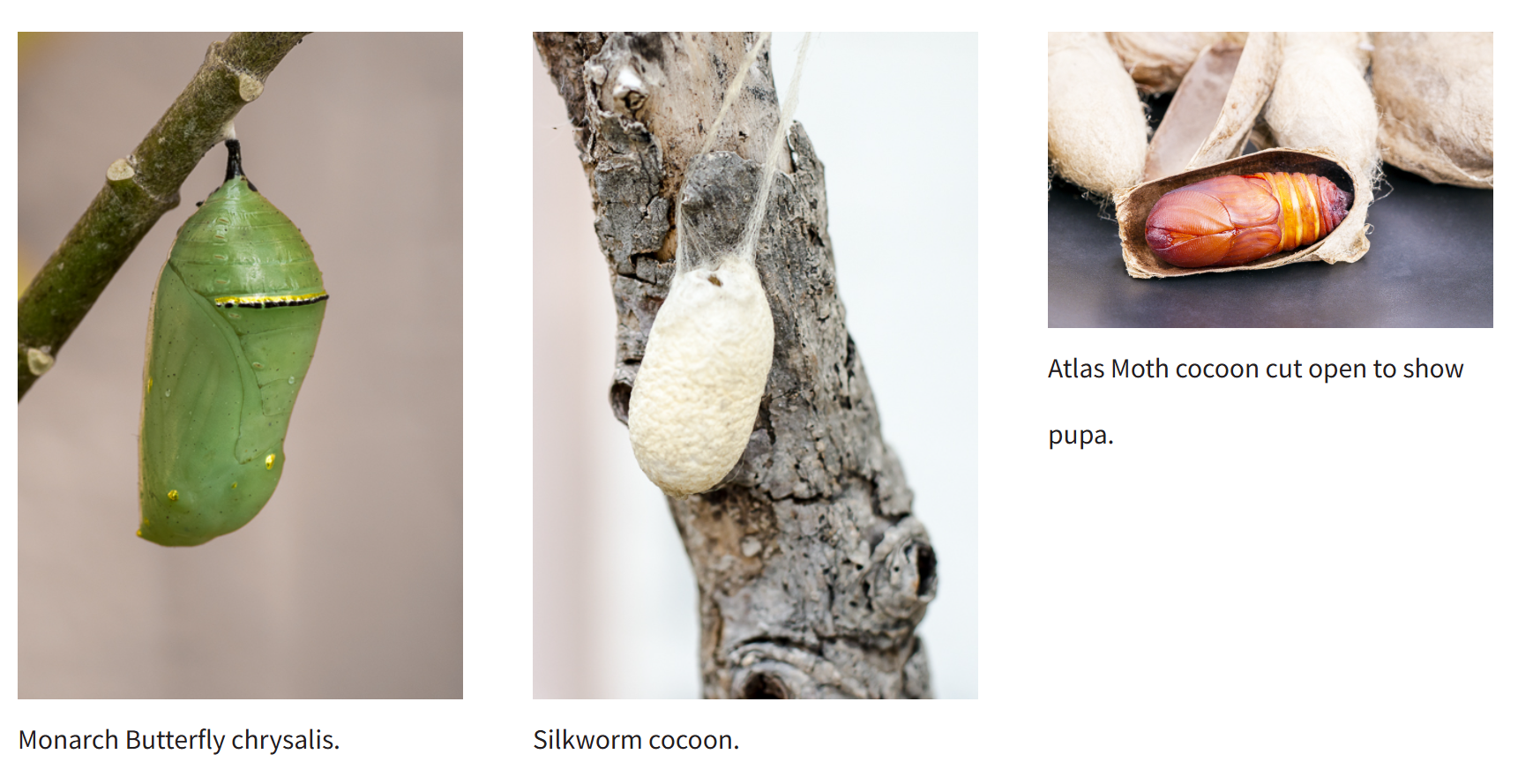
| Pupal stage | Usually forms a chrysalis | Many form a silk-covered cocoon |
| Home pest risk | Usually not a household pest | Some larvae damage clothes or stored foods |
These are useful patterns, not absolute laws. The Library of Congress also points out that moths commonly make silk-covered cocoons, while butterflies usually form a hard, smooth chrysalis, but even this is part of a broader set of clues rather than the only thing to check.
What Is the Main Difference Between a Moth and a Butterfly?
The most reliable visible difference is usually the antennae.
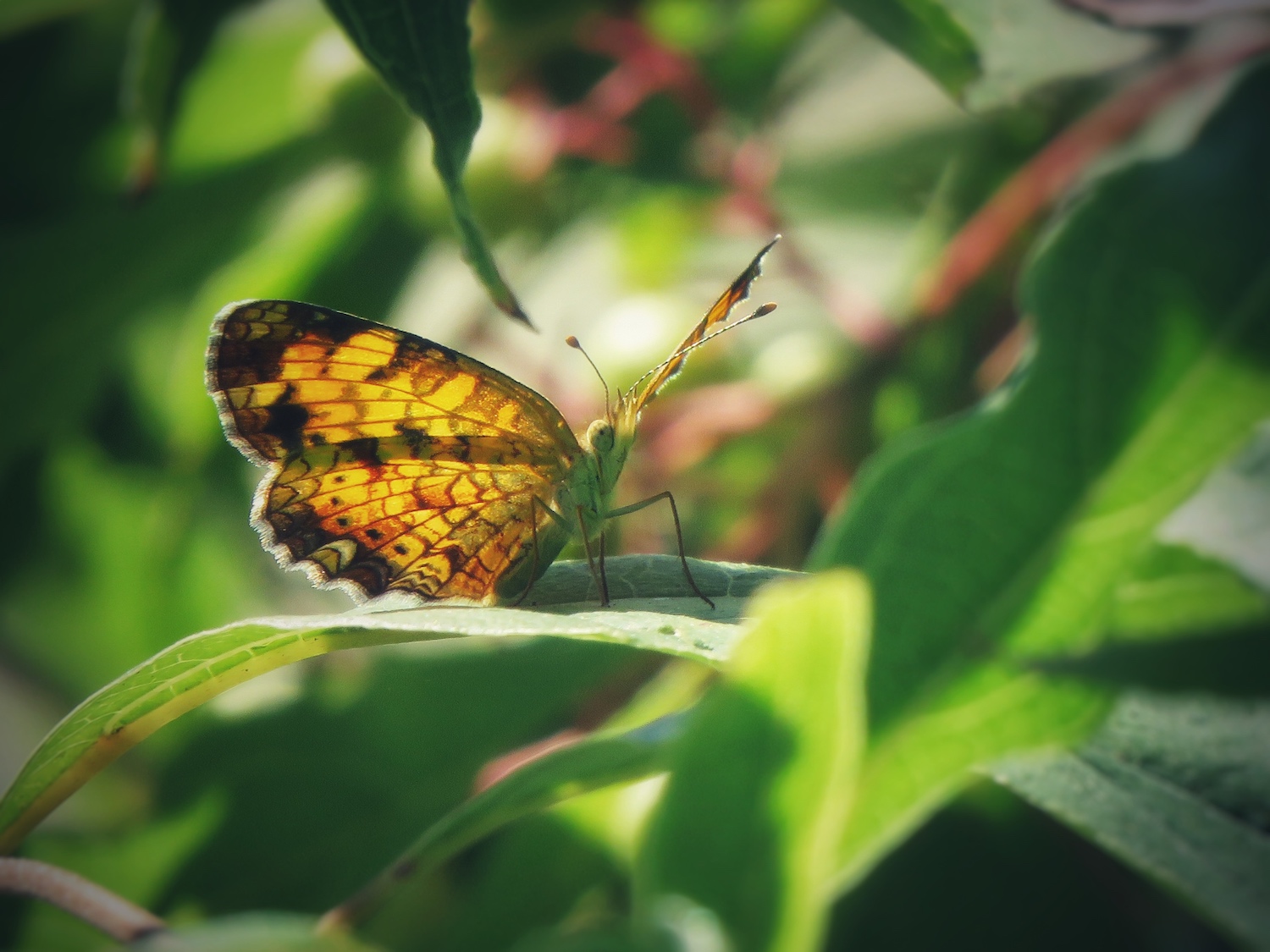
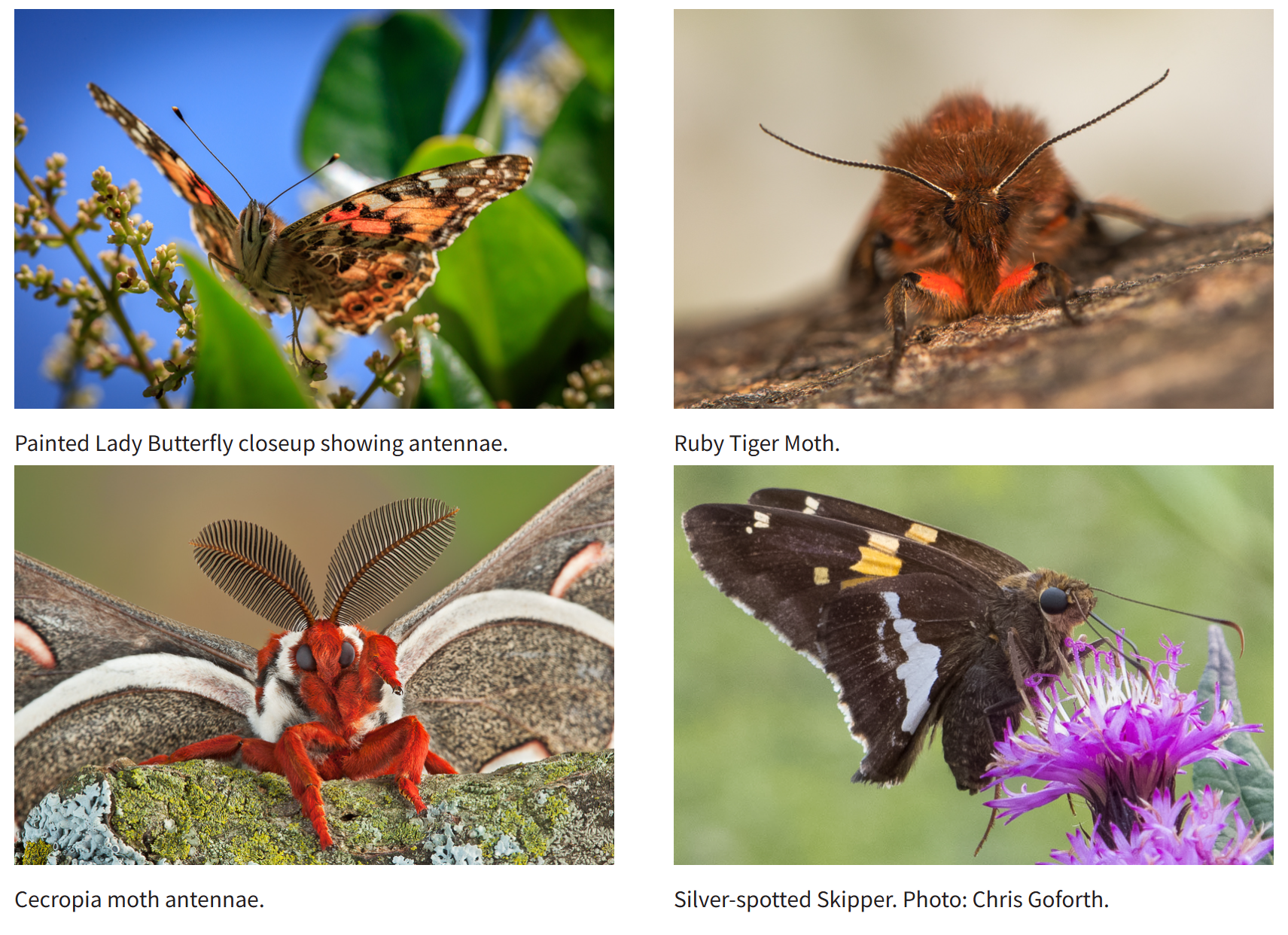
Butterflies typically have long, slim antennae with a small club or knob at the end. Moth antennae are more varied: they may be feathery, saw-edged, threadlike, or tapered. This is especially helpful because color and activity time can be misleading. The Smithsonian’s educational material also describes moth antennae as typically feathery and tapering, while butterfly antennae are more wiry with a knob-like end.
If you can get a close look without touching the insect, start there.
1. Antennae: The Best First Clue
When comparing moth vs butterfly antennae, look for the tip.
A butterfly usually has a clean, thin antenna with a rounded club at the end. A moth often has antennae that look feathery, comb-like, or soft-edged. In many male moths, the antennae are especially broad and feathery because they help detect chemical signals from potential mates.
This does not mean every moth has dramatic feather-like antennae. Some are quite simple. But if you see obvious feathery antennae, you are very likely looking at a moth.
2. Wings at Rest: Upright or Tent-Like?
The next thing to watch is how the insect holds its wings when resting.
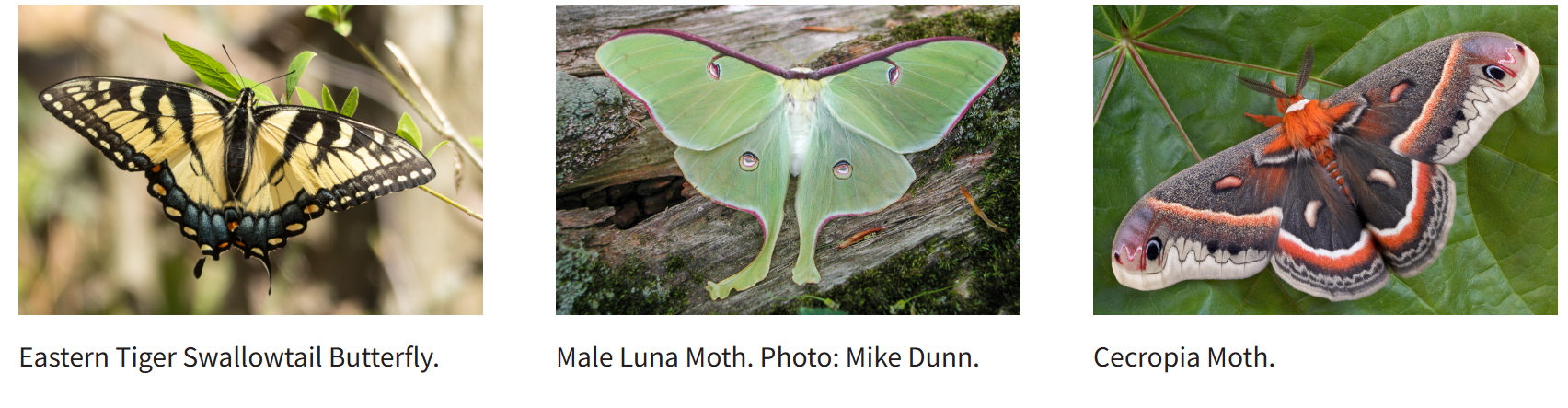
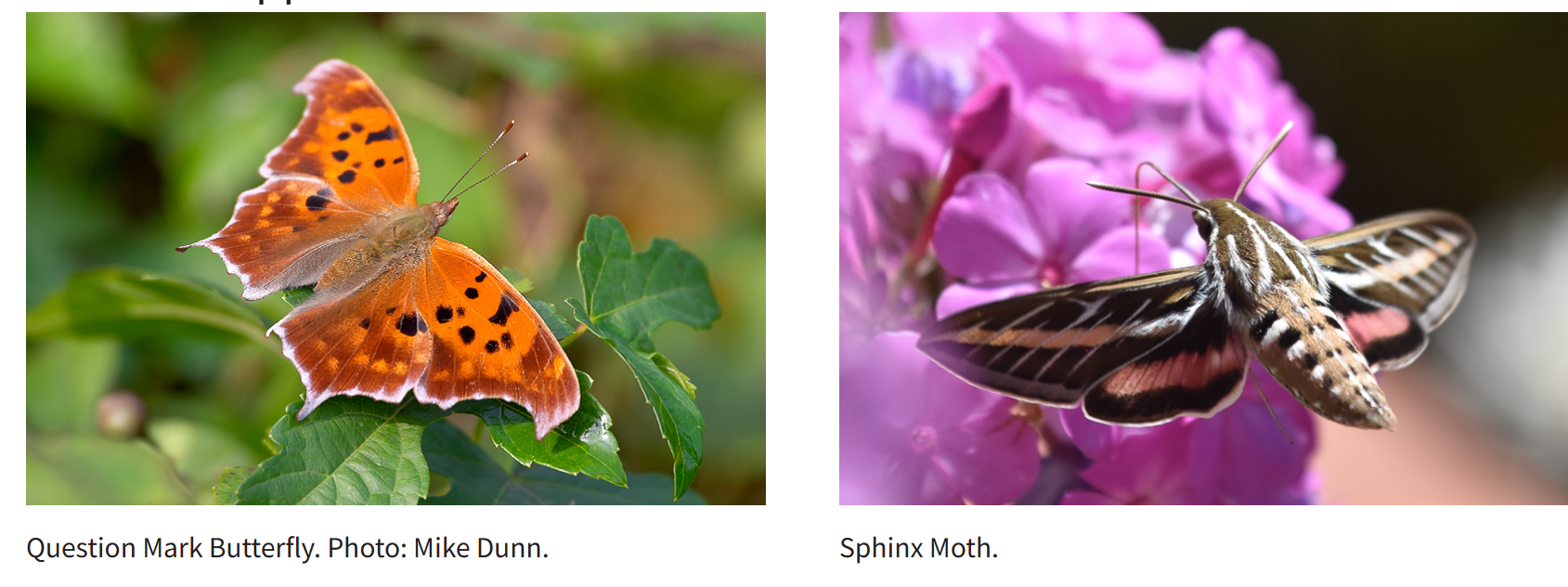
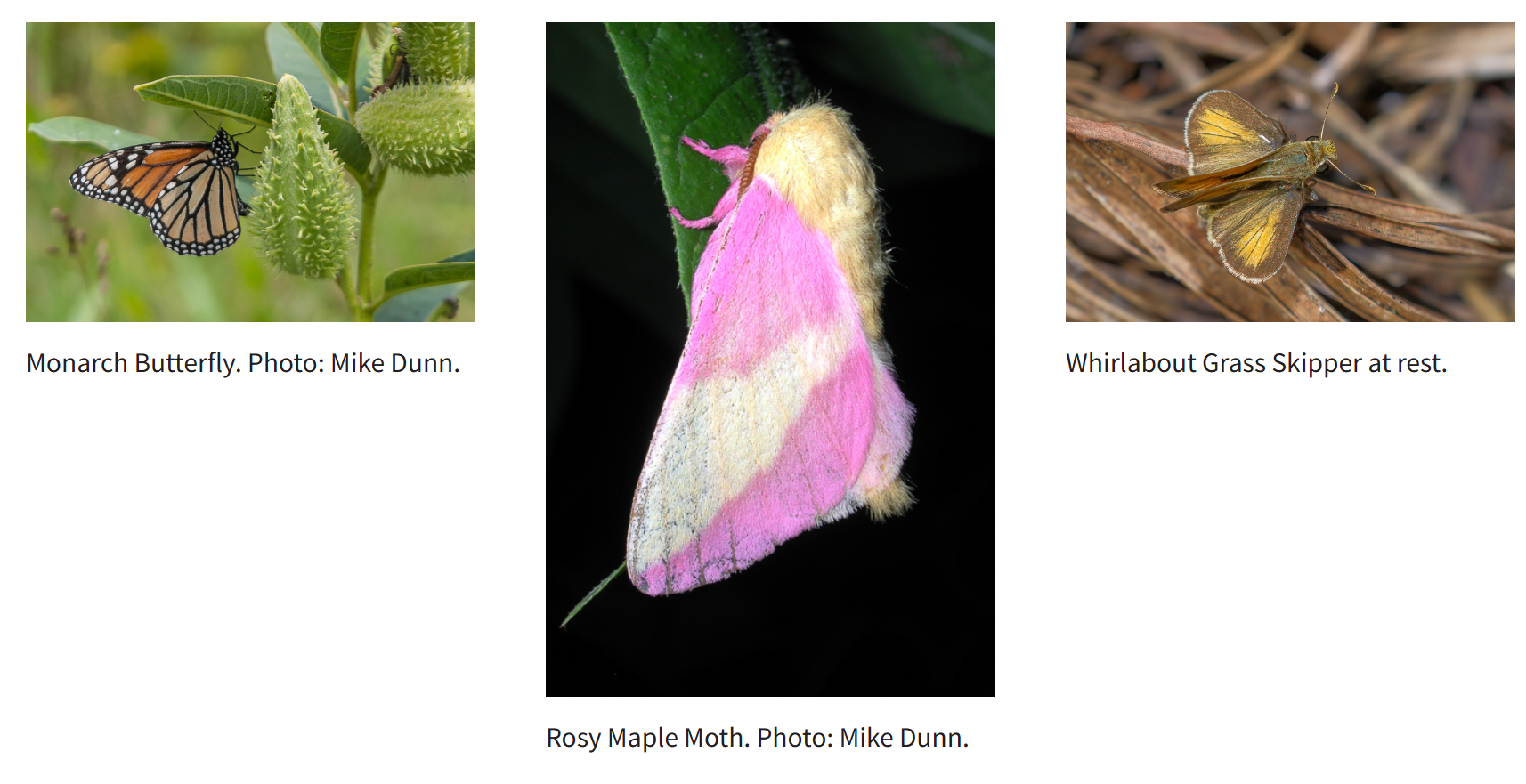
Butterflies often rest with their wings folded vertically over their backs. Moths more often rest with their wings spread flat, folded roof-like over the body, or held in a tent shape. This is why a resting moth can look more triangular or cloak-like.
However, there are exceptions. Some butterflies, especially skippers, may hold their wings at an angle. Some moths may sit in ways that look surprisingly butterfly-like. The Natural History Museum emphasizes that many common “rules” about moths and butterflies are helpful but imperfect, especially when wing position, color, and activity time are used alone.
3. Color: Are Butterflies Always Bright and Moths Always Dull?
No. This is one of the biggest moth myths.
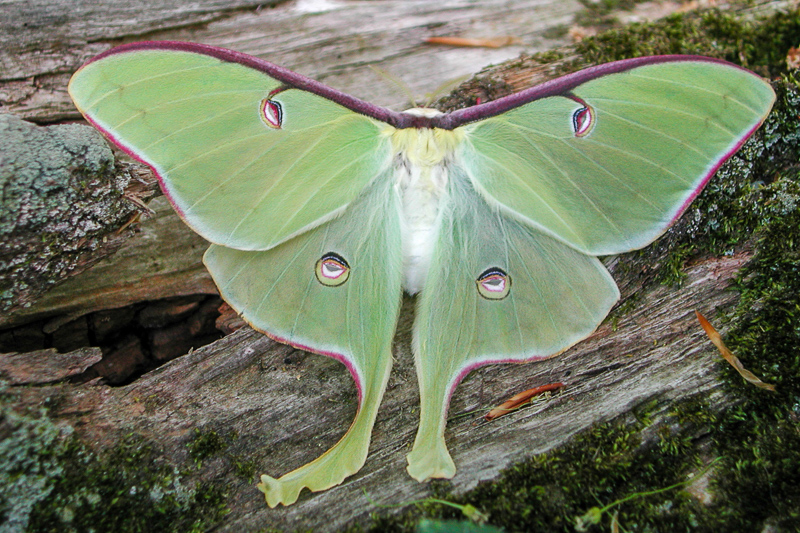
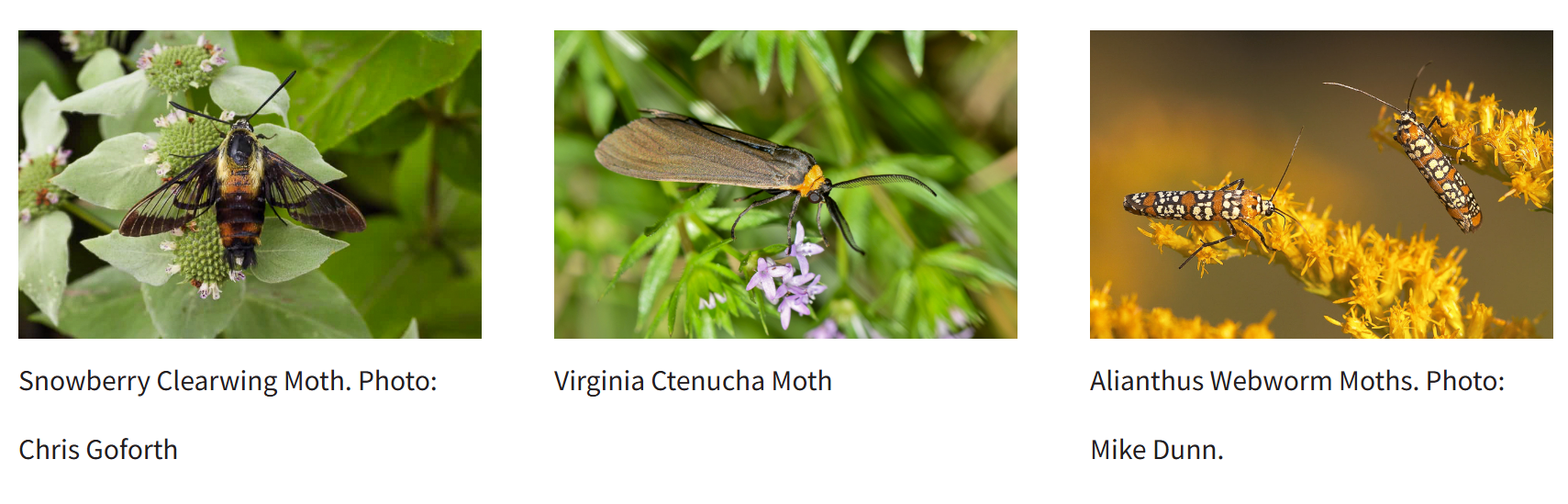
It is true that many butterflies are brightly colored, while many night-flying moths are brown, gray, cream, or patterned for camouflage. But plenty of moths are beautiful, bright, and boldly marked. The Natural History Museum notes that moths are often unfairly seen as dull, even though many species have vibrant colors and dramatic patterns.
Think of the luna moth, rosy maple moth, tiger moths, hawk-moths, and many day-flying moths. Some are more colorful than many butterflies.
So color helps, but it should never be your only clue.
4. Day vs Night: Useful, But Not Perfect
A common rule says butterflies fly during the day and moths fly at night. In many cases, that works.
Most butterflies are diurnal, meaning they are active during the day. Many moths are nocturnal or crepuscular, meaning they fly at night, dawn, or dusk. But there are day-flying moths, including some clearwing moths and hawk-moths. There are also butterflies that may fly at unusual hours during migration or in low-light conditions.
So if a winged insect is fluttering around your porch light at night, “moth” is a good guess. If it is visiting flowers in bright sunshine, “butterfly” is a good guess. But neither clue is guaranteed.
5. Body Shape: Slim vs Fuzzy
Butterflies usually have slimmer, smoother-looking bodies. Moths often look thicker, softer, or fuzzier.
That fuzzy look is not random. Many moths are active in cooler night conditions, so a hairier body can help with insulation. Still, butterflies are not hairless. They also have scales and fine hairs, especially around the thorax where the flight muscles are located.
In other words: a very chunky, furry insect is more likely to be a moth, but “fuzzy” alone does not settle the case.
6. Cocoon vs Chrysalis
This is another classic difference.
Most butterflies form a chrysalis, a hard protective pupal case. Many moths form a cocoon, often made with silk, around the pupa. This is a strong life-cycle clue, especially if you are identifying pupae rather than adults. The Library of Congress describes the common distinction this way: moths make silk-covered cocoons, while butterflies make hard, smooth chrysalides.
For a casual garden observer, though, this clue is not always available. Most people notice the adult insect first, not the pupal stage.
7. Are Moths Just Night Butterflies?
Scientifically, moths and butterflies are very close relatives. Both belong to Lepidoptera, and both have scaly wings. Smithsonian material even describes butterflies as having evolved from moths, which makes the boundary feel less like a hard wall and more like a branch within the same larger family story.
Still, in everyday identification, “moth” and “butterfly” remain useful names. They describe different patterns of appearance, behavior, and life history, even if nature keeps blurring the edges.
Similarities Between Moths and Butterflies
Before focusing too much on differences, it helps to remember how similar they are.
Both moths and butterflies:
- Belong to the order Lepidoptera
- Have wings covered with tiny scales
- Go through complete metamorphosis: egg, larva, pupa, adult
- Often feed on plants as caterpillars
- Often drink nectar as adults
- Can act as pollinators
- Are usually harmless to people
This is why identification can be tricky. You are not comparing two completely unrelated insects. You are comparing close relatives with overlapping features.
Do Moths Eat Clothes?
Adult moths are not chewing holes in your sweater. The real damage comes from certain moth larvae.
Only some moth species become household pests. Clothes moth larvae can feed on wool, fur, feathers, silk, and other animal-based materials. The University of Minnesota Extension notes that adult webbing clothes moths are harmless, but their presence may indicate larvae infesting wool, fur, feathers, or similar animal-based products indoors.
UC Agriculture and Natural Resources also explains that the larva is the damaging stage of clothes moths and that they may feed on wool clothing, carpets, rugs, furs, stored woolens, and related materials.
So if you see a moth in your house, do not panic. Most moths are not wardrobe destroyers. But if you see small beige moths near closets, wool rugs, stored fabrics, or dark storage areas, it is worth checking for larvae, webbing, shed skins, or irregular holes.
What About Pantry Moths?
Pantry moths are different from clothes moths. They are usually associated with dry stored foods such as grains, cereals, flour, rice, nuts, dried fruit, pet food, and similar products.
If small moths appear repeatedly in your kitchen or pantry, inspect open packages and dry food containers. The solution is usually to remove infested food, clean shelves carefully, and store dry goods in sealed containers.
Moth vs Butterfly Identification Checklist
Use this simple checklist when you see a mystery insect:
- Look at the antennae. Clubbed tips suggest butterfly. Feathery or threadlike antennae suggest moth.
- Watch the wings at rest. Upright wings suggest butterfly. Flat, spread, or tent-like wings suggest moth.
- Notice the time of day. Daytime suggests butterfly; night or porch light activity suggests moth.
- Check body shape. Slim and smooth suggests butterfly; thick or fuzzy suggests moth.
- Consider color carefully. Bright does not always mean butterfly, and dull does not always mean moth.
- Think about location. Flower garden, closet, pantry, porch light, or tree bark can all give extra context.
- Take a photo. A clear photo is often the easiest way to compare field marks later.
Common Moth vs Butterfly Myths
Myth 1: All moths are brown
Many moths are brown or gray, but many are pink, green, yellow, orange, white, or boldly patterned.
Myth 2: All butterflies are colorful
Some butterflies are pale, brown, gray, or subtle in pattern.
Myth 3: Moths are bad
Most moths are harmless and ecologically valuable. Only a small number cause household problems.
Myth 4: Butterflies pollinate, moths do not
Moths can be important pollinators, especially at night, when many butterflies are inactive.
Myth 5: You can always tell by activity time
Activity time helps, but some moths fly by day and some butterflies may be active around dusk or during migration.
So, Which One Did You See?
If the insect had clubbed antennae, rested with wings held upright, and flew around flowers during the day, it was probably a butterfly.
If it had feathery or threadlike antennae, rested with wings spread or tent-like, and appeared near lights at night, it was probably a moth.
But if your insect breaks the rules, do not worry. That is normal. The best moth vs butterfly identification comes from using several clues together, not forcing one feature to answer everything.
Final Thoughts
The difference between a moth and a butterfly is real, but it is not always as simple as bright versus dull or day versus night. Antennae are usually the strongest clue, followed by resting wing position, activity time, body shape, and life cycle.
And perhaps the nicest part of the comparison is this: whether you are watching a butterfly in a sunny garden or a moth beside a porch light, you are seeing one of the most delicate and successful insect groups on Earth.
FAQ
Is a moth a butterfly?
Not exactly. Moths and butterflies both belong to the order Lepidoptera, but they are commonly treated as different groups. They share many traits, including scaly wings and complete metamorphosis, but they often differ in antennae, wing posture, body shape, and activity time.
What is the easiest way to tell a moth from a butterfly?
The easiest clue is usually the antennae. Butterflies usually have thin antennae with club-shaped tips. Moths often have feathery, threadlike, or tapered antennae.
Are moths active only at night?
No. Many moths are nocturnal, but some moths fly during the day. Activity time is useful, but it is not a perfect identification rule.
Are butterflies always more colorful than moths?
No. Many butterflies are colorful, but some are plain. Many moths are muted, but others are bright, patterned, or strikingly beautiful.
Do moths bite people?
Moths do not bite people in the way mosquitoes or fleas do. Most adult moths are harmless. Household concern usually comes from larvae of certain species, such as clothes moths or pantry moths.
Do butterflies and moths both come from caterpillars?
Yes. Both butterflies and moths have a larval stage commonly called a caterpillar. They go through complete metamorphosis: egg, larva, pupa, and adult.
What is the difference between a cocoon and a chrysalis?
A chrysalis is the pupal form commonly associated with butterflies. A cocoon is a silk covering that many moths spin around the pupa. In simple terms, butterflies usually form chrysalides, while many moths make cocoons.
Are moths useful?
Yes. Many moths are pollinators, and their caterpillars also provide food for birds and other wildlife. A few species can become household pests, but most moths are part of healthy ecosystems.