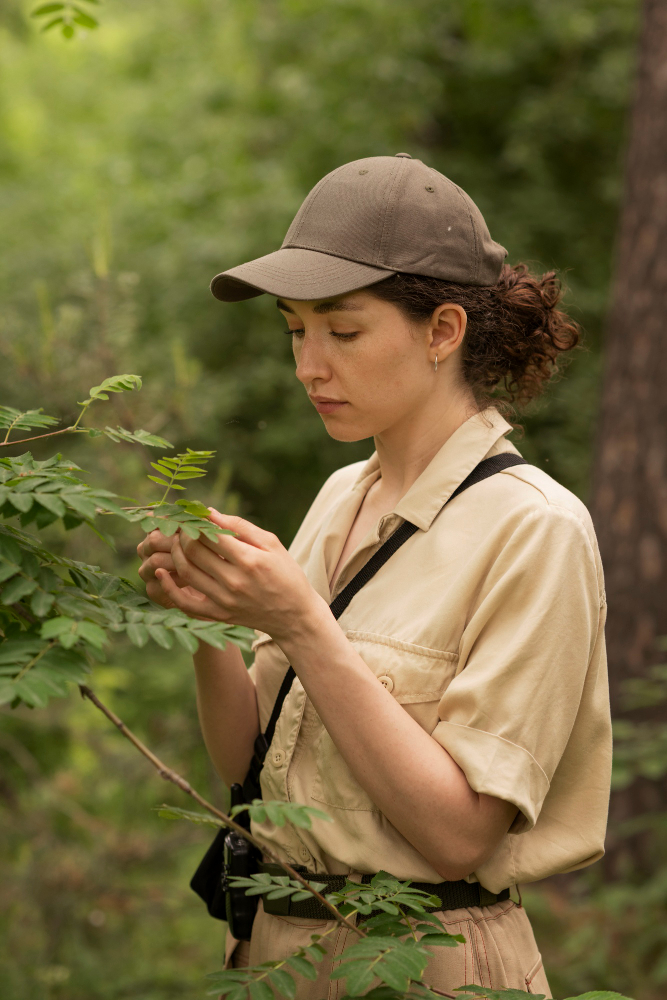
Hi, I am Clara Whitmore
About Types of Moths
Types of Moths is a nature education website created for readers who want to identify, understand, and appreciate moths in a simple and accessible way.
Moths are often overlooked because many of them appear at night, rest quietly during the day, or blend into tree bark, leaves, walls, and garden spaces. But once you begin noticing them, moths reveal a surprisingly rich world of colors, patterns, behaviors, and ecological roles.
Our goal is to help beginners, nature lovers, gardeners, students, and curious readers learn more about the moths they see around porch lights, windows, forests, gardens, and outdoor spaces.
What We Cover
At Types of Moths, we publish easy-to-understand guides about moths and related topics, including:
Different types of moths
Moth identification tips
Common moth species
Moth pictures and visual features
Moth life cycles
Caterpillars and larvae
Moth habitats and behavior
Moths found around homes and gardens
Differences between moths and butterflies
Interesting moth facts for beginners
Our articles are written to be clear, practical, and useful for general readers. You do not need to be an entomologist to enjoy learning about moths here.
Our Mission
Our mission is to make moth information easier to understand.
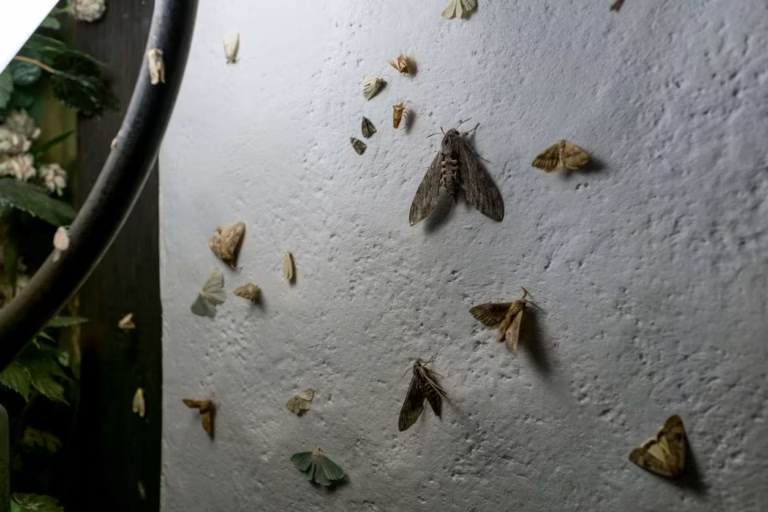
Many people first become interested in moths after seeing one on a wall, near a porch light, in a garden, or inside the home. They may wonder what kind of moth it is, whether it is harmful, what it eats, or why it looks the way it does.
Types of Moths exists to answer those questions in a friendly and informative way.
We aim to turn everyday moth encounters into opportunities for learning, observation, and appreciation of the natural world.
Our Approach to Moth Information
We focus on beginner-friendly explanations rather than overly technical language. When we cover moth identification, we look at features such as size, wing shape, color, markings, behavior, season, and habitat.
Moth identification can sometimes be difficult, especially because many species look similar. For that reason, we avoid making unrealistic claims when a moth cannot be identified with certainty from appearance alone.
Our content is intended for general educational use. For scientific identification, pest control issues, or medical concerns related to insects, readers should consult a qualified professional or local expert.
Meet the Author
Many of our guides are written and edited by Clara Whitmore, a nature writer and moth enthusiast who focuses on moth identification, life cycles, habitats, and beginner-friendly insect education.
Clara enjoys exploring the quiet world of nocturnal insects and creating practical guides for readers who want to better understand the moths they encounter in daily life.
Why Moths Matter
Moths are more than just nighttime insects. They play important roles in ecosystems as pollinators, food sources for birds and bats, and indicators of environmental change.
Some moths are beautifully patterned. Some are excellent camouflage artists. Some are large and dramatic, while others are tiny and easy to miss. Together, they form one of the most diverse and fascinating groups of insects on Earth.
By learning about moths, we also learn more about gardens, forests, seasons, plants, and the hidden activity of nature after dark.
Our Editorial Values
We want Types of Moths to be useful, honest, and easy to read. Our editorial values include:
Clear explanations for beginners
Accurate and responsible nature information
No exaggerated claims
Practical identification guidance
Respect for wildlife and natural habitats
Regular content improvements when better information becomes available
We also welcome corrections and suggestions. Nature topics can be complex, and moth identification often depends on region, season, and detailed visual features. If you notice something that should be updated, we appreciate thoughtful feedback.
Contact Us
Have a question, correction, suggestion, or image permission request?
You can contact us through our contact page.
Thank you for visiting Types of Moths. We hope this website helps you see moths not as ordinary night insects, but as fascinating creatures worth noticing.