Nature Writer and Moth Enthusiast at Types of Moths
Clara Whitmore is a nature writer and moth enthusiast at Types of Moths, where she writes and edits beginner-friendly guides about moth identification, moth species, moth life cycles, habitats, behavior, and the quiet world of nocturnal insects.
Her work focuses on helping everyday readers better understand the moths they may notice around porch lights, gardens, windows, forests, parks, closets, pantries, and outdoor spaces. Clara writes for readers who are curious about moths but may not have a background in entomology.
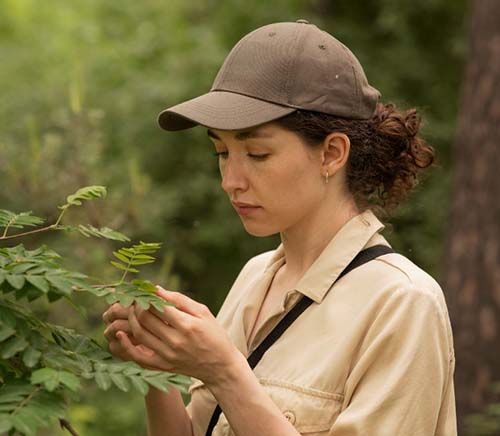
Instead of using overly technical language, she explains moth-related topics in a clear, practical, and accessible way. Her goal is to help readers observe moths more carefully, understand useful identification clues, and know when a moth can be identified with confidence — and when more information is needed.
About Clara
Clara’s interest in moths comes from years of observing insects in everyday places: near outdoor lights, on garden plants, on window screens, along woodland paths, and around homes. She is especially interested in how ordinary moth sightings can lead people to notice the hidden diversity of insects that are often overlooked.
Many moths are active at night, rest quietly during the day, or blend into tree bark, leaves, walls, and garden spaces. Because of that, people often notice them only briefly and may not know what details are important for identification. Clara’s writing helps readers slow down and look at the features that matter: wing shape, size, color, pattern, antennae, resting posture, location, season, and behavior.
At Types of Moths, Clara’s role is to make moth information more useful for beginners, students, gardeners, homeowners, and nature lovers. Her articles are written to support learning, not to replace professional entomology, pest control, or medical advice.
What Clara Writes About
Clara writes and edits guides across the main topics covered by Types of Moths, including:
- Moth identification for beginners
- Common types of moths
- Moth species and visual features
- Moth life cycle stages
- Moth eggs, larvae, caterpillars, pupae, and adult moths
- Moth habitats and seasonal behavior
- Moths found around homes, gardens, porch lights, closets, and pantries
- Differences between moths and butterflies
- Moth facts for students, gardeners, homeowners, and nature lovers
- Responsible observation and wildlife-friendly identification
Her writing is designed to answer practical questions such as:
- What kind of moth did I just see?
- Is this a moth or a butterfly?
- Why are moths attracted to light?
- What do moths eat?
- Are moths dangerous?
- How can I tell a pantry moth from a clothes moth?
- What details should I record before trying to identify a moth?
Clara’s Approach to Moth Identification
Moth identification can be difficult because many species look similar, and a single photo does not always show enough detail. A reliable identification often depends on several clues, including location, season, wing markings, body shape, size, habitat, behavior, and sometimes the larval host plant.
For that reason, Clara takes a careful and responsible approach in her articles. She avoids presenting uncertain identifications as confirmed facts. When a moth cannot be identified confidently from limited information, she explains what additional details may help narrow the possibilities.
Her identification guides are built around practical observation. Readers are encouraged to look for:
- Overall size and body shape
- Wing color, markings, and resting position
- Antenna shape
- Where the moth was found
- Whether it was indoors or outdoors
- Time of day and season
- Nearby plants, food sources, fabrics, or stored goods
- Signs of larvae, webbing, cocoons, or damage when relevant
This approach helps readers make better observations while understanding the limits of visual identification.
Why Clara Writes About Moths
Moths are often treated as ordinary night insects, but they are far more diverse and interesting than many people realize. Some moths are large and colorful, while others are small, subtle, and easily missed. Some visit flowers, some rest silently on tree bark, and some appear unexpectedly inside homes.
Clara writes about moths because they reveal a quieter side of nature that many people rarely notice. A moth near a porch light, a caterpillar on a garden plant, or a patterned wing on a window screen can become the beginning of a deeper interest in insects, habitats, and seasonal change.
Through Types of Moths, Clara hopes to help readers see moths not only as insects to identify, but as living creatures with complex life cycles, ecological roles, and remarkable visual diversity.
Editorial Standards
Clara’s writing follows the editorial standards of Types of Moths. Every guide is created with a focus on clarity, accuracy, usefulness, and responsible language.
Her editorial priorities include:
- Clear explanations for beginners
- Practical moth identification guidance
- Honest discussion of uncertainty
- Respect for wildlife and natural habitats
- Careful distinction between outdoor moths and household pest situations
- Regular updates when better information becomes available
- Avoiding exaggerated claims about danger, rarity, or identification certainty
- Using reliable references where appropriate
When articles discuss household moth concerns, such as pantry moths or clothes moths, Clara aims to separate ordinary moth sightings from situations that may require inspection or professional pest guidance.
How Clara Creates Content
Clara’s articles are created through a combination of topic research, careful editing, and reader-focused explanation. The goal is to make moth information easier to understand without oversimplifying the uncertainty that often comes with insect identification.
The content process usually includes:
- Identifying the reader’s main question
- Reviewing reliable natural history, museum, university extension, or entomology resources where needed
- Explaining the topic in beginner-friendly language
- Adding practical observation tips
- Clarifying when identification may be uncertain
- Updating content when better information or clearer wording is available
Types of Moths is an educational website. Its articles are intended to help readers learn more about moths and make better observations, not to provide professional diagnosis, pest treatment, medical advice, or species confirmation in every case.
Areas of Focus
Clara’s main areas of focus include:
Moth Identification
Clara writes guides that help readers identify moths by visible features such as wing pattern, color, antennae, body shape, size, and behavior. These guides are especially useful for beginners who want to understand what details matter before comparing moths.
Moth Species
Clara creates species-focused pages that explain what different moths look like, where they may be found, how they behave, and what features may help separate them from similar moths.
Moth Life Cycle
Clara explains the stages of moth development, including eggs, larvae, caterpillars, pupae, cocoons, and adult moths. These guides help readers understand why the larval stage is often the most important stage for feeding, growth, and household moth concerns.
Moths Around the Home
Clara writes practical guides for readers who find moths indoors. These articles help explain the difference between a harmless moth that flew inside and possible signs of pantry moths, clothes moths, or larvae-related activity.
Moth Facts and Behavior
Clara covers common questions about what moths eat, why moths come to lights, how long moths live, whether moths are dangerous, and how moths differ from butterflies.
A Note on Identification Accuracy
Moth identification is not always simple. Many species are small, variable, or visually similar to related species. Lighting, camera angle, wing wear, geographic region, and missing scale details can all affect identification.
Because of this, Clara’s articles often use careful language such as “may be,” “can suggest,” “often,” or “commonly” when the evidence does not support a firm conclusion. This is intentional. The purpose of Types of Moths is to help readers learn responsibly, not to make unsupported claims.
For exact species confirmation, readers may need help from a local expert, museum, university extension service, regional moth group, or professional entomologist.
Reader Corrections and Suggestions
Types of Moths welcomes correction requests, topic suggestions, and image permission questions. If you notice an error, have a suggestion for a new moth guide, or want to ask about image use, you can contact the editorial team.
Clara and the Types of Moths team review correction requests carefully and update articles when a change would make the information clearer, more accurate, or more useful to readers.
Popular Guides by Clara
You may also want to read Clara’s guides on:
- How to Identify a Moth
- Common Types of Moths
- Moth Species with Pictures
- Moth Life Cycle Stages
- What Do Moths Eat?
- Moth vs Butterfly
- Moths Around the Home
- Clothes Moth vs Pantry Moth
- Pantry Moth Identification
- Are Moths Dangerous?
Contact Clara
For editorial questions, correction requests, moth guide suggestions, or image permission inquiries, you can contact Clara through the Types of Moths contact page.
Contact: [email protected]
Related Pages
- About Types of Moths
- Editorial Policy
- How We Research
- Contact