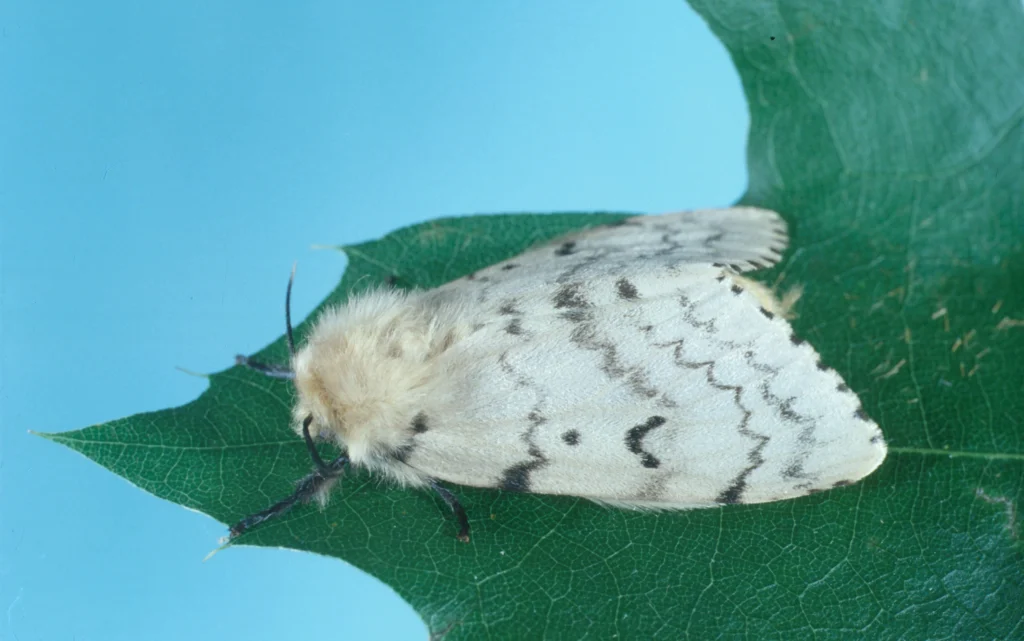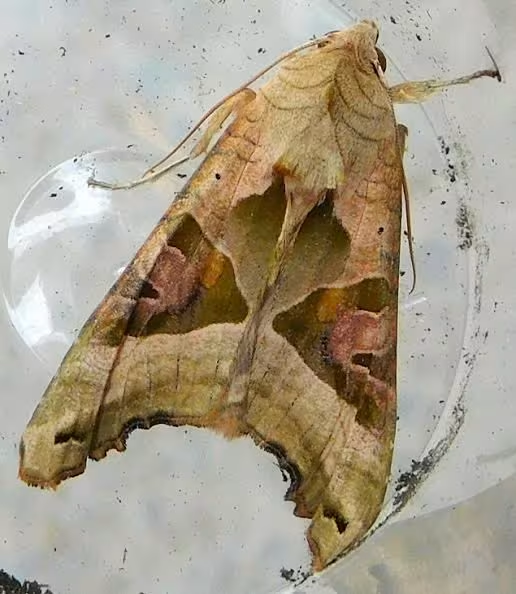
Moth identification by wing pattern can feel confusing at first. One small brown moth on a porch wall may look almost identical to the next. But once you slow down and look carefully, the wings begin to tell a story.
A moth’s wings are not just decorative. Their colors, lines, spots, bands, and shadows are part of a survival system. Some patterns help moths disappear against bark, dry leaves, stone, or lichen. Others warn predators that the insect may taste unpleasant. Some create false eyes, broken outlines, or clever visual tricks that give the moth a few extra seconds to escape.
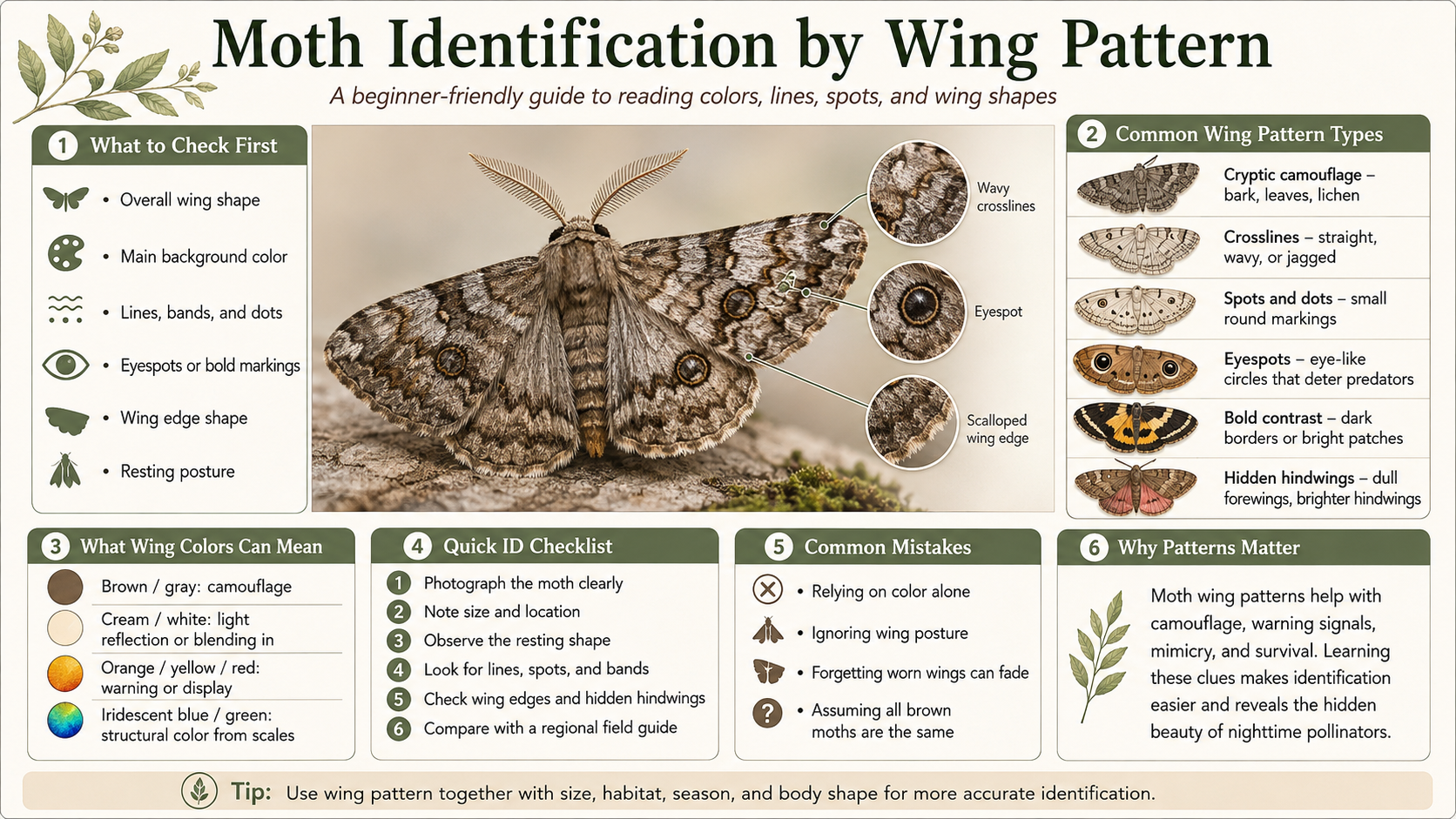
For beginners, wing pattern is one of the most useful places to start. You may not identify every moth to species level right away, but you can learn to notice the features that matter: overall shape, resting posture, base color, crosslines, spots, eyespots, wing edges, and the contrast between the forewings and hindwings.
This guide walks through those clues in a simple, practical way.
Why Moth Identification by Wing Pattern Works
Moths belong to the order Lepidoptera, the same order as butterflies. One of their defining features is the presence of tiny scales on their wings. These scales create much of the color and pattern we see, from dusty brown camouflage to bright flashes and shimmering structural color. Smithsonian notes that butterflies and moths are the only insect group with wings covered in scales, although some species have reduced scales.
For identification, this matters because the wing surface acts almost like a biological canvas. The pattern may include:
- thin or thick crosslines
- wavy bands
- kidney-shaped marks
- round spots
- eye-like markings
- pale patches
- transparent “windows”
- dark borders
- scalloped or angled edges
These details can help separate one moth group from another, especially when combined with size, location, season, habitat, and resting posture.
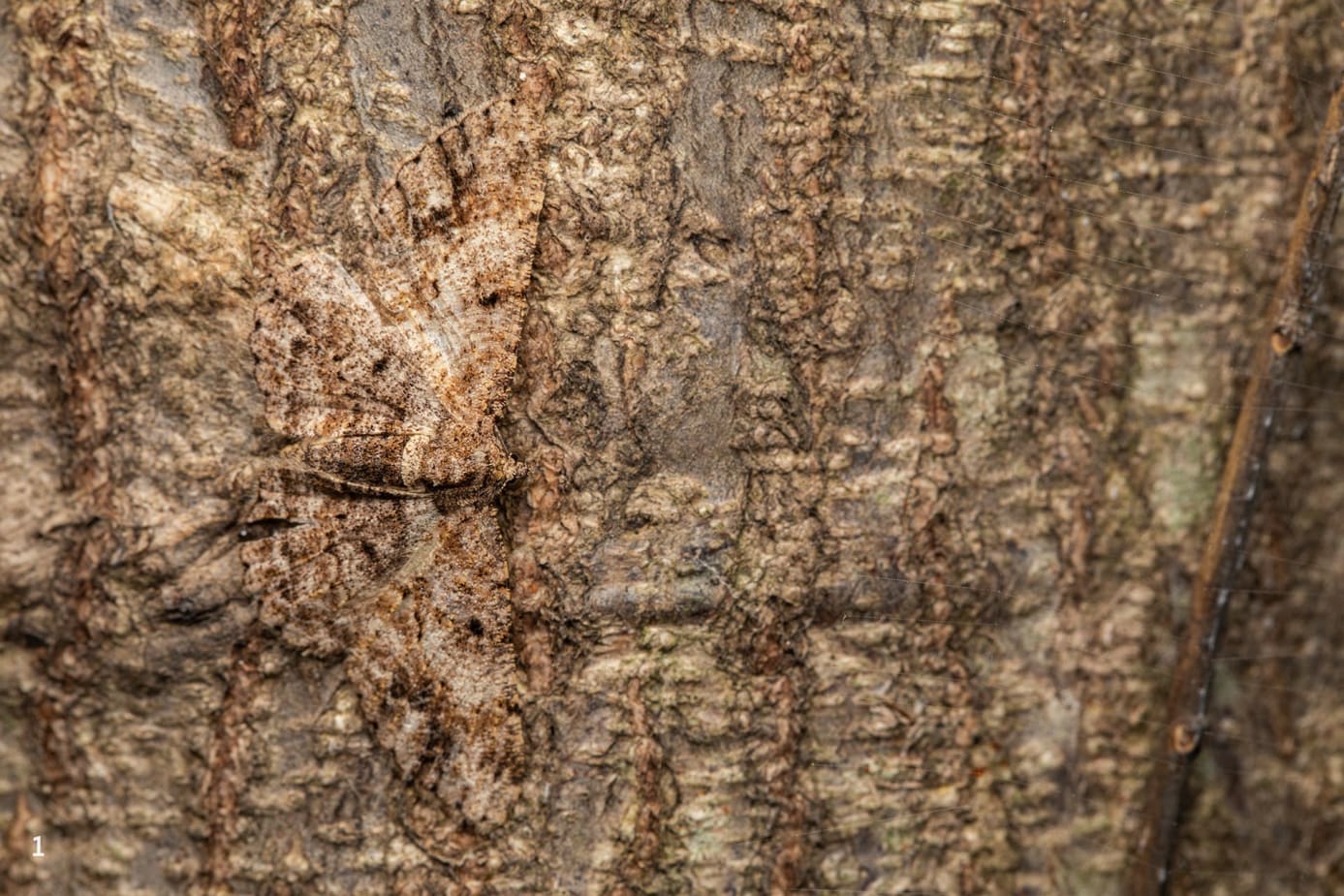
Still, wing pattern should not be used alone. Many moths are variable. Some species look different between males and females. Others fade as they age, lose scales after brushing against surfaces, or appear darker or lighter depending on lighting. A good identification uses several clues together.
Start With Shape Before You Study the Pattern
Before focusing on stripes or spots, look at the moth’s overall shape.
Many beginners jump straight to color, but shape is often more reliable. Butterfly Conservation explains that moths rest in different positions, and the way the wings are held can be an important identification clue. Some moths rest with all four wings spread out; others slide their forewings back over the hindwings, creating a wide or narrow triangle.
Ask yourself:
Is the moth resting flat, tent-like, narrow, broad, or T-shaped?
A broad triangular moth may belong to a very different group from a slim moth that holds its wings tightly along the body. Plume moths, for example, can be recognized by their distinctive T-shaped resting posture, long legs, and muted tan or brown shades. The Missouri Department of Conservation describes plume moths as slim and instantly recognizable because of this shape.
Once you have the shape, the wing pattern becomes easier to interpret.
Common Wing Pattern Clues to Look For
When using moth identification by wing pattern, do not just think in terms of “brown,” “white,” or “gray.” Instead, break the wing into visual parts.
1. Base Color
The base color is the main background color of the wings. It may be brown, gray, cream, white, green, yellow, orange, or black. Many moths use muted colors for camouflage, especially species that rest on tree bark, dead leaves, fences, stone walls, or soil during the day.
2. Crosslines
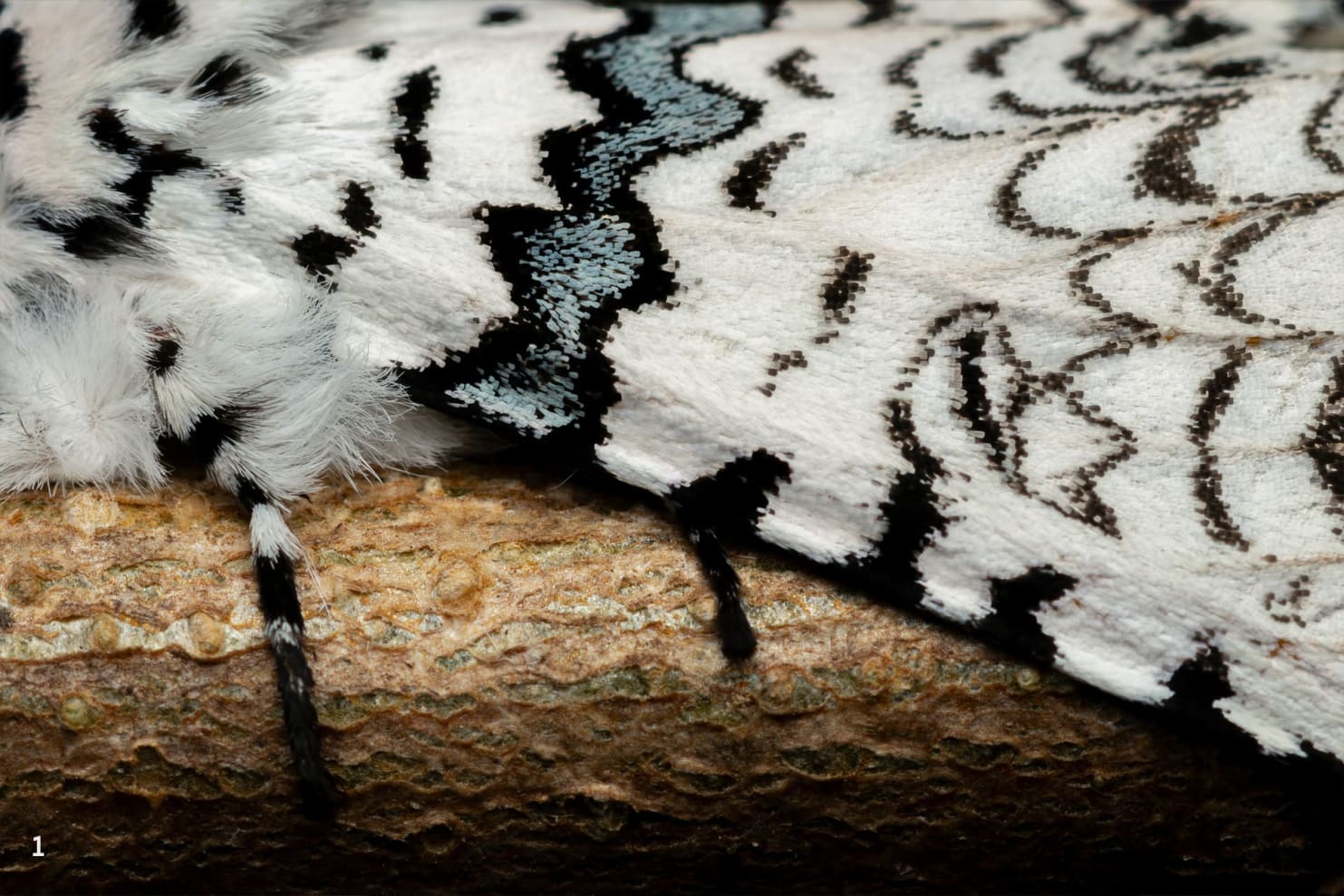
Crosslines are lines that run across the wings. They may be straight, curved, wavy, jagged, or broken. In many moths, these lines help disrupt the body outline, making the insect harder for predators to detect.
3. Spots and Dots
Some moths have small dark dots, pale spots, or rounded marks. These may appear near the center of the forewing, close to the wing edge, or on the hindwing.
4. Eyespots
Eyespots are circular markings that resemble staring eyes. They can startle birds or other predators, especially when suddenly revealed.
5. Wing Margins
Look at the outer edge of the wing. Is it smooth, scalloped, angled, ragged, or sharply pointed? Some moths mimic dead leaves partly through the shape of the wing edge.
6. Forewing and Hindwing Contrast
In some moths, the visible forewings are dull and camouflaged, while the hidden hindwings are brighter. This contrast may help the moth stay hidden at rest and then confuse a predator when it suddenly flies.
Cryptic Wing Patterns: When Moths Disappear Into the Background
Many moths are masters of camouflage. Their wing patterns often imitate bark, dry leaves, lichen, moss, or shadow.
This is called cryptic coloration. A moth with gray, brown, cream, or bark-like markings can become nearly invisible when resting in the right place. The pattern is not random. Wavy lines, patches, and speckles break up the moth’s outline, making it harder for predators to recognize the body shape.
Predators such as birds often notice movement more easily than fine detail. A motionless moth with a broken outline may avoid detection simply by becoming part of the background.
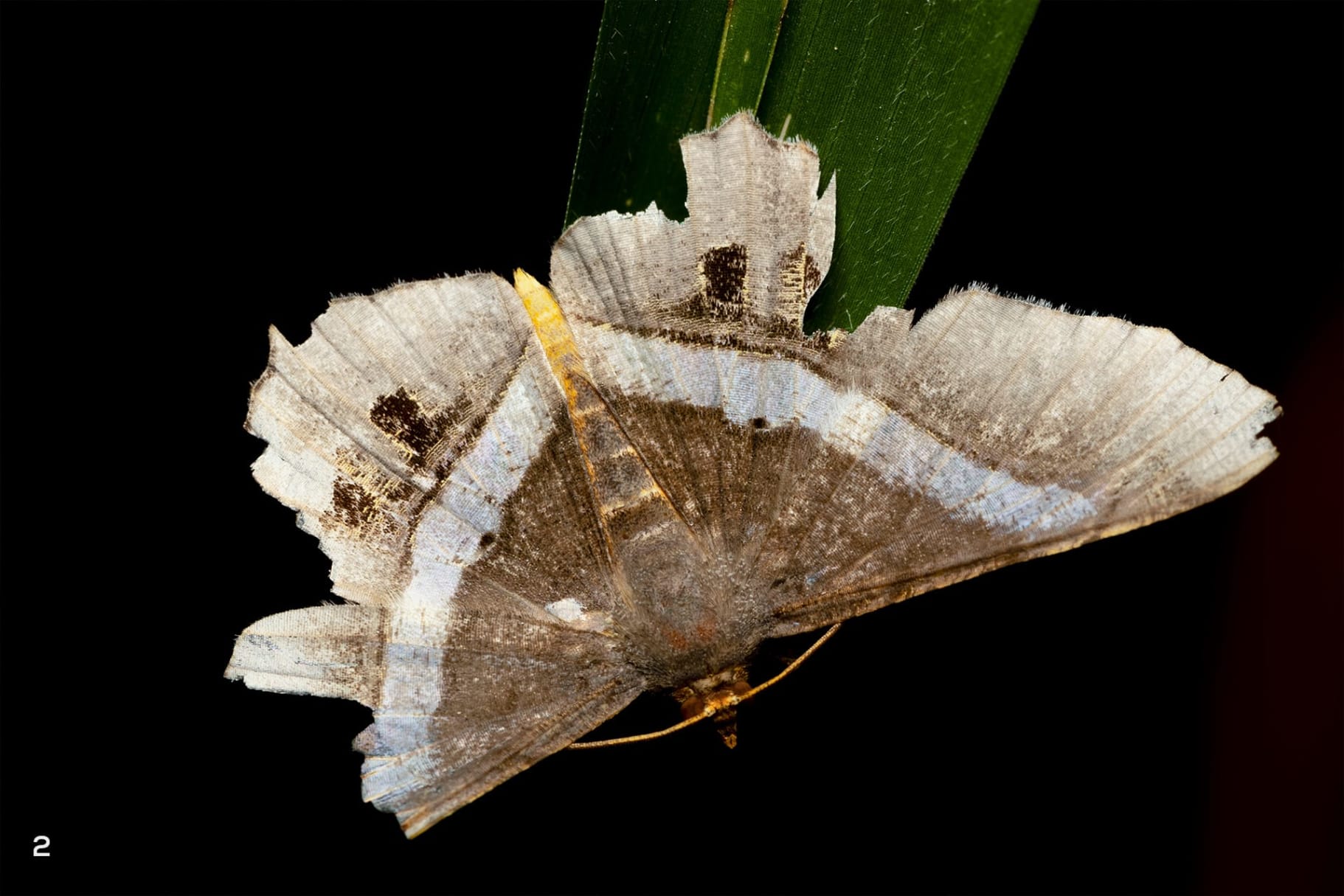
When identifying a cryptic moth, pay attention to:
- whether the pattern looks bark-like, leaf-like, or lichen-like
- whether the wings form a smooth triangle or irregular outline
- whether the lines are straight, scalloped, or wavy
- whether the moth rests flat against a surface
- whether the pattern continues across both wings
This is one reason a clear photo of the resting position is so valuable. The way the moth sits is often part of the camouflage.
Bright Colors and Warning Patterns
Not all moths are dull. Some have vivid colors, bold patches, or high-contrast patterns. These may serve as warning signals.
In nature, bright colors can mean “do not eat me.” This type of warning signal is called aposematic coloration. It is common in many insects, including some butterflies and moths. Predators may learn that a certain color pattern is linked with a bad taste, toxins, or an unpleasant experience.
For moth identification, bright color can be useful, but it should be interpreted carefully. A red, orange, yellow, or black pattern may be part of a warning display, but it may also be mimicry, sexual signaling, or simply one element in a larger camouflage strategy.
Some moths hide their brighter hindwings under dull forewings. At rest, they look plain. In flight, they flash color. That sudden burst can confuse a predator long enough for the moth to escape.
Mimicry: When One Wing Pattern Copies Another
Some wing patterns work because they resemble something else.
In mimicry, one species evolves to look like another species, or like an object that predators ignore or avoid. The classic idea is simple: if a predator has learned to avoid one unpleasant insect, it may also avoid another harmless insect that looks similar.
This is known as Batesian mimicry when a harmless species resembles a harmful or bad-tasting one. Mullerian mimicry happens when several genuinely defended species resemble one another, helping predators learn the warning pattern more quickly.
Moths and butterflies both offer many examples of visual deception. A wing pattern may resemble a leaf, bark, a bird dropping, a wasp, or another toxic insect. For identification, mimicry can make things more difficult, because two unrelated insects may look surprisingly alike.
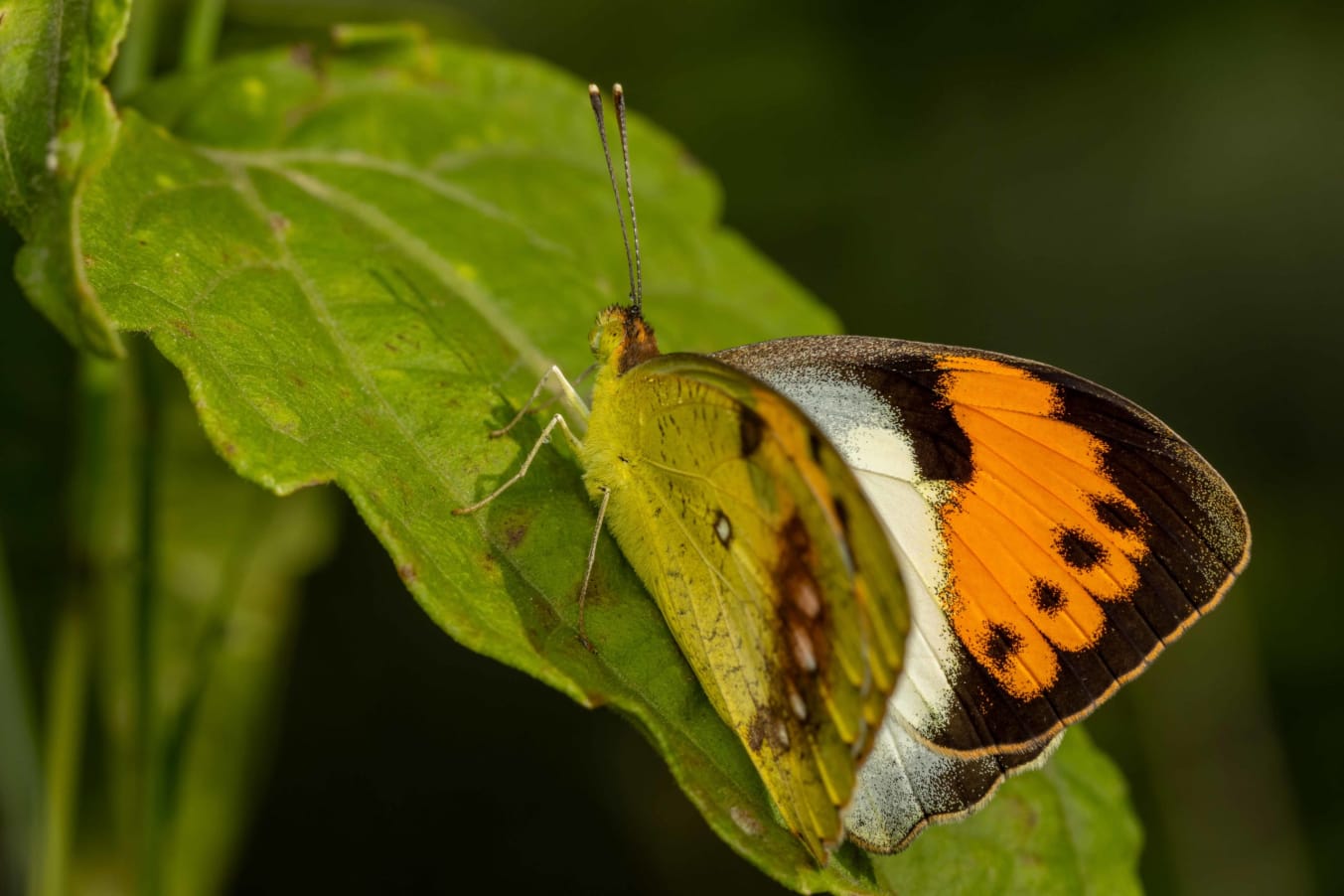
That is why pattern should be paired with other clues, such as antennae, body shape, wing posture, season, and location.
Eyespots: The Pattern That Looks Back
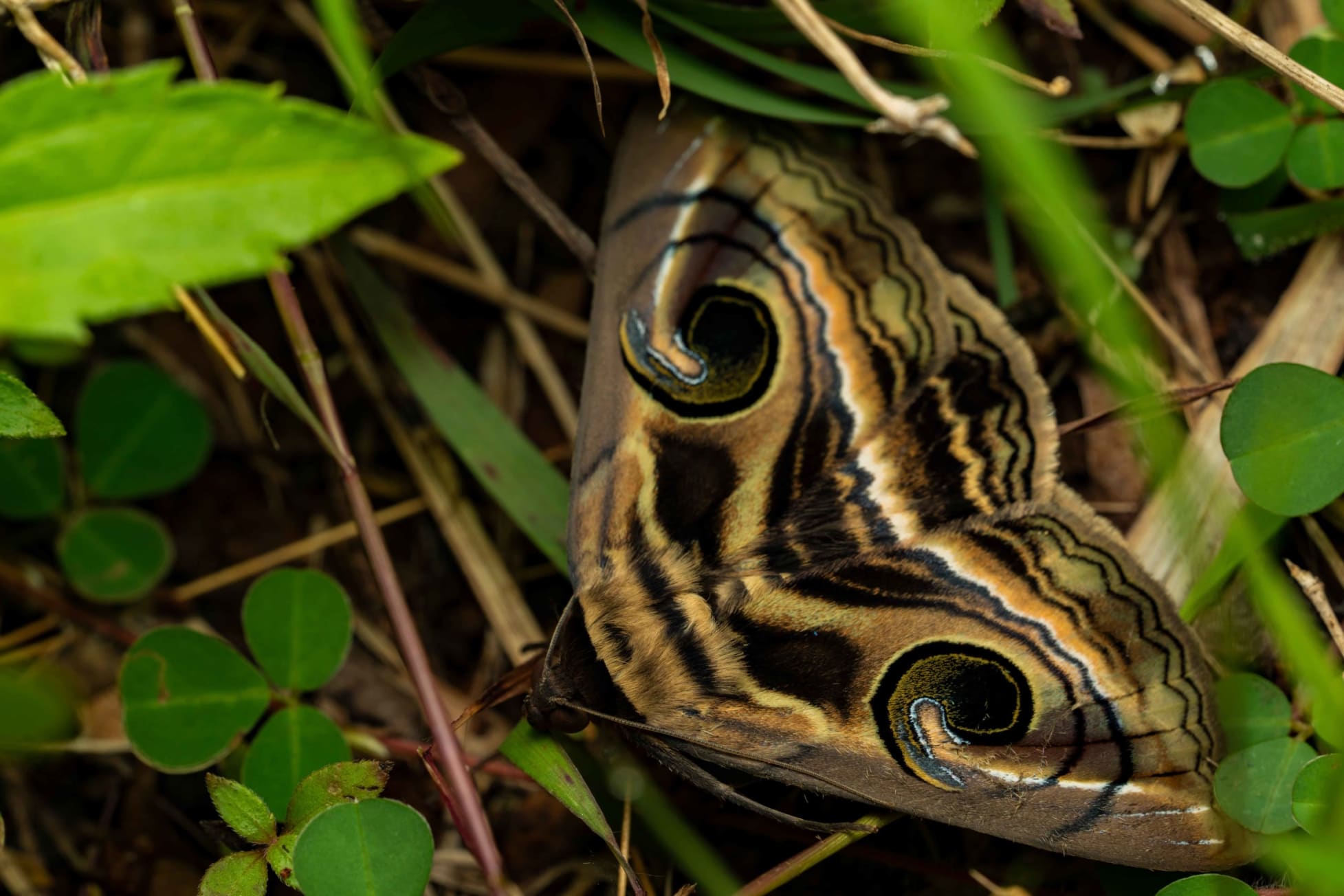
Eyespots are among the most fascinating wing markings in moths and butterflies. They may appear as round circles, rings, dark pupils, or large eye-like patches.
In some species, eyespots may help startle predators. In others, they may redirect attacks toward less vital parts of the wing. A predator might strike at the “eye” instead of the body, giving the moth or butterfly a better chance of escape.
Research on butterfly eyespots shows that these patterns develop around organizing centers on the wing, and the position, size, number, and color of eyespots are controlled through developmental pathways. Studies in Nature and PLOS ONE discuss eyespots as a major model for understanding biological pattern formation.
For identification, note:
- number of eyespots
- size of each eyespot
- whether they appear on forewings, hindwings, or both
- whether the eyespots are hidden when the moth is resting
- whether they have rings, pupils, or pale centers
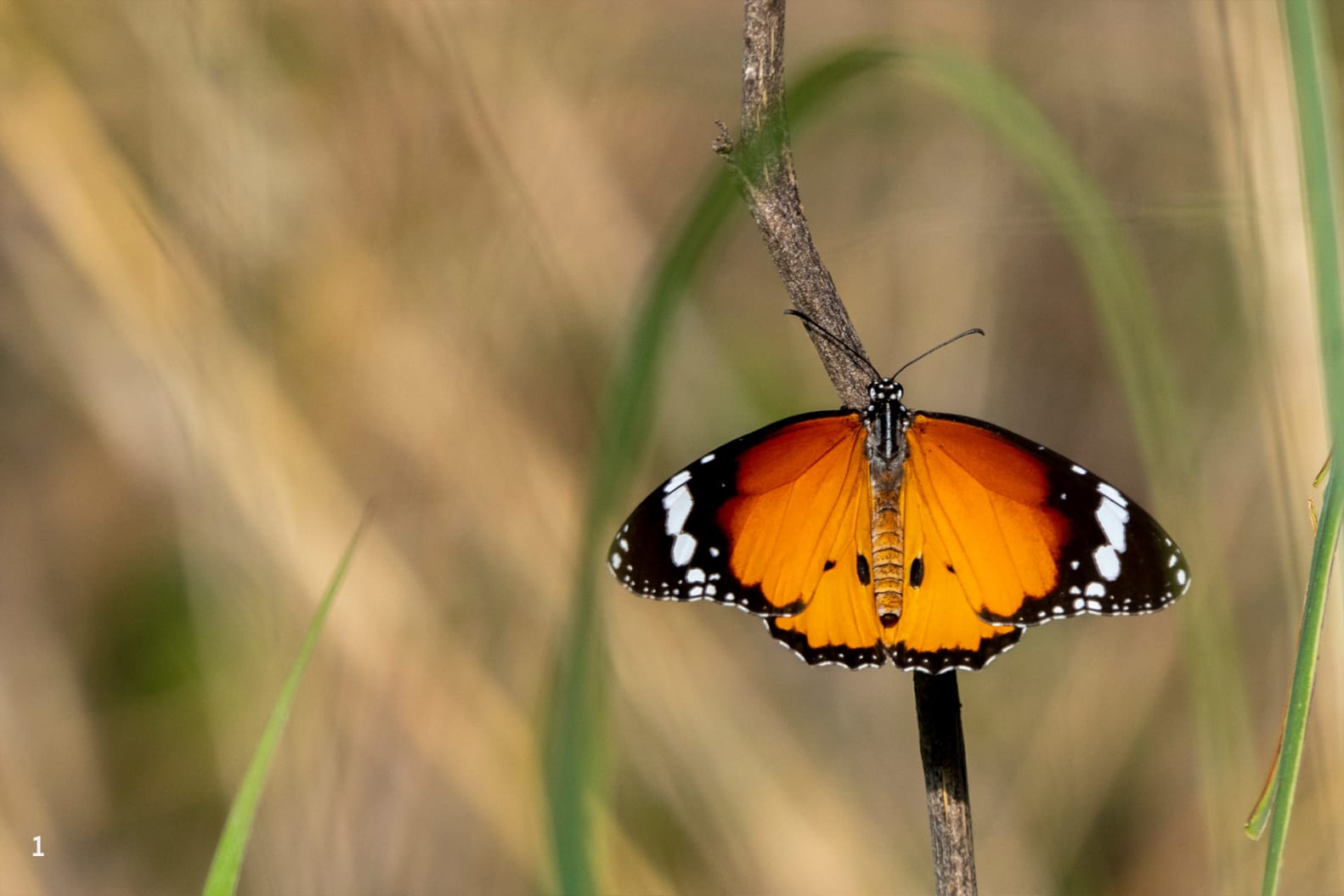
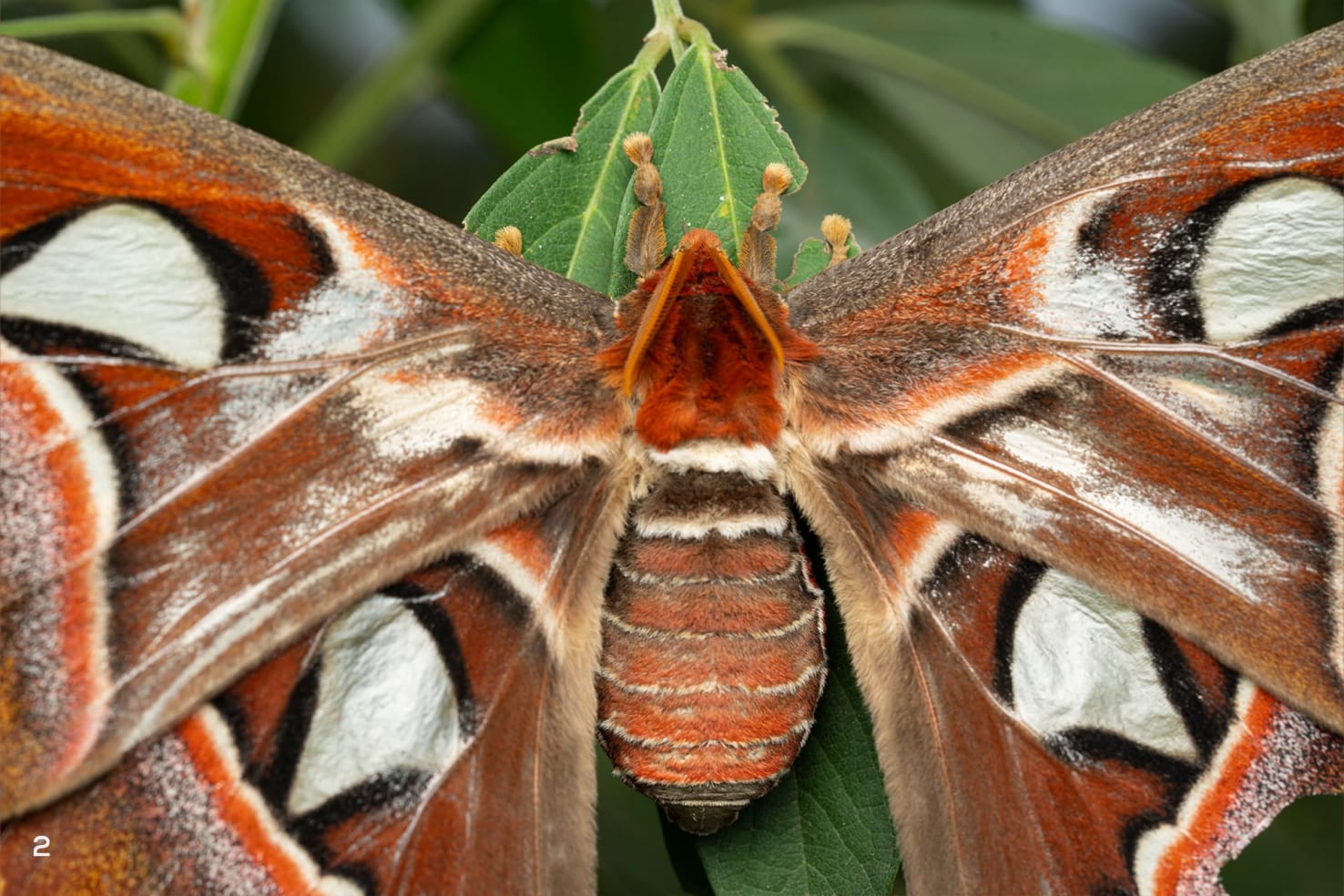
Large eyespots can be especially helpful when identifying big silk moths, hawk moths, and several other visually striking groups.
How Moth Wing Patterns Form
Wing patterns are built during development, before the adult moth emerges.
When a caterpillar transforms into a pupa, the future wings develop inside. Genes and chemical signals help determine where scales, pigments, and structural features will form. One important scientific idea used to explain natural pattern formation is the reaction-diffusion model, originally proposed by Alan Turing. In simple terms, interacting chemical signals can spread and react across a developing tissue, producing repeated patterns such as spots, stripes, and waves.
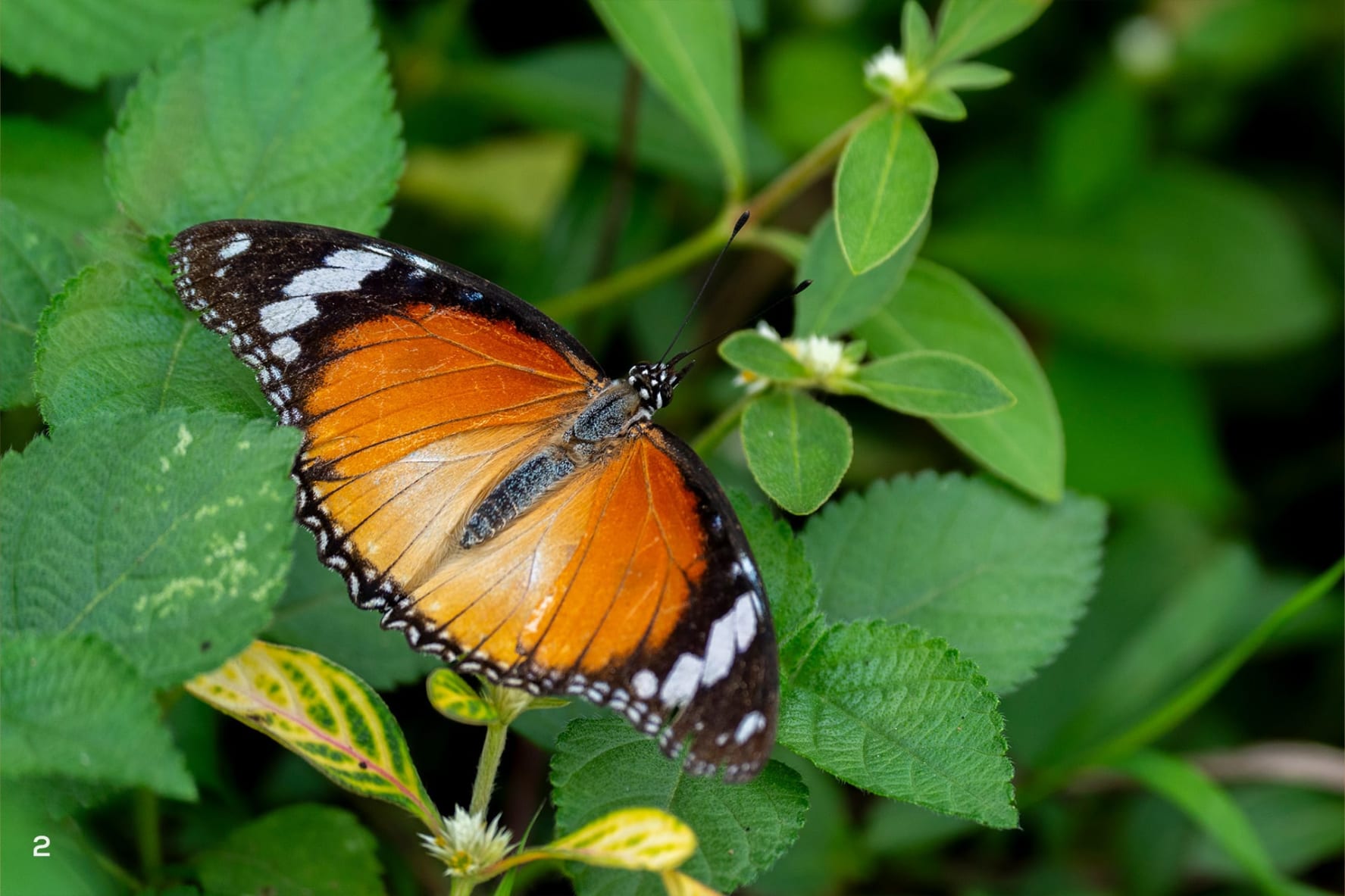
This concept has been applied to butterfly wing pattern studies. Research on butterfly pigmentation pattern formation has used reaction-diffusion models to explain features such as spots, eyespot-like elements, and banding patterns.
For a beginner, the key point is this: moth wing patterns are not painted on after the insect becomes an adult. They are formed as part of development. Once the adult emerges, the pattern is essentially complete.
If a moth loses scales from its wings, those scales do not grow back in the same way. An older moth may look faded or worn, which can make identification harder.
Pigment Color vs Structural Color
Not all wing colors come from pigments.
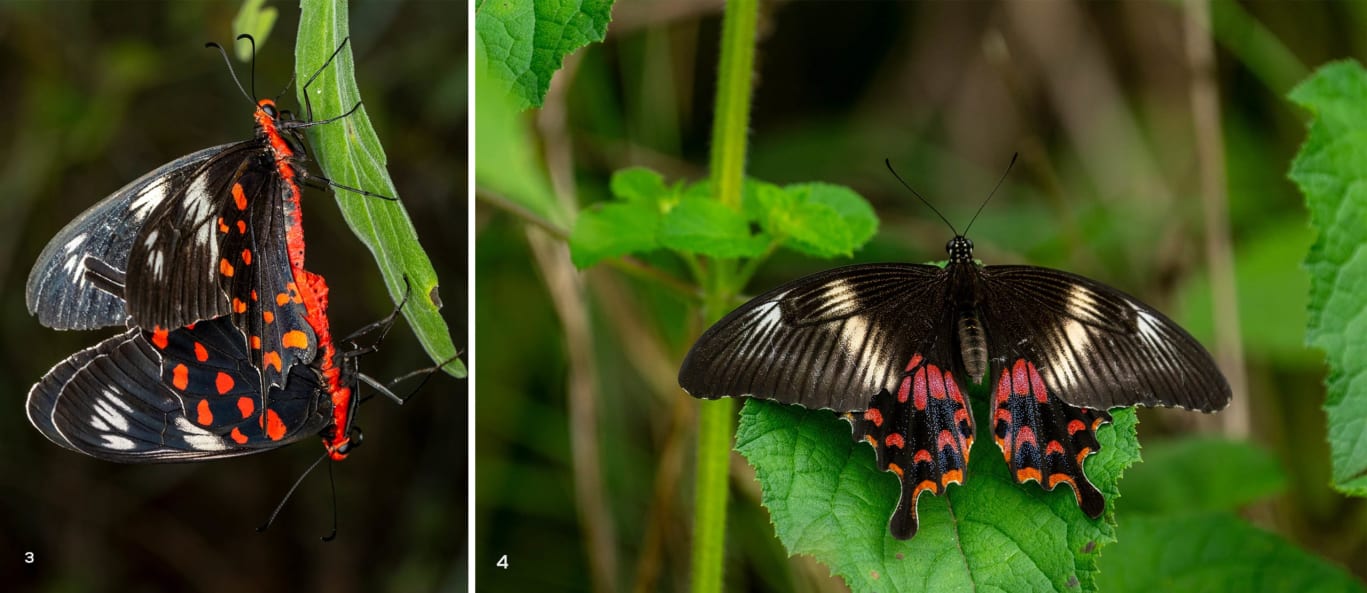
Brown and black colors often come from melanin-related pigments. Orange, yellow, red, and other colors may come from different pigment pathways, sometimes influenced by the larval diet. White often appears when wing scales scatter light broadly.
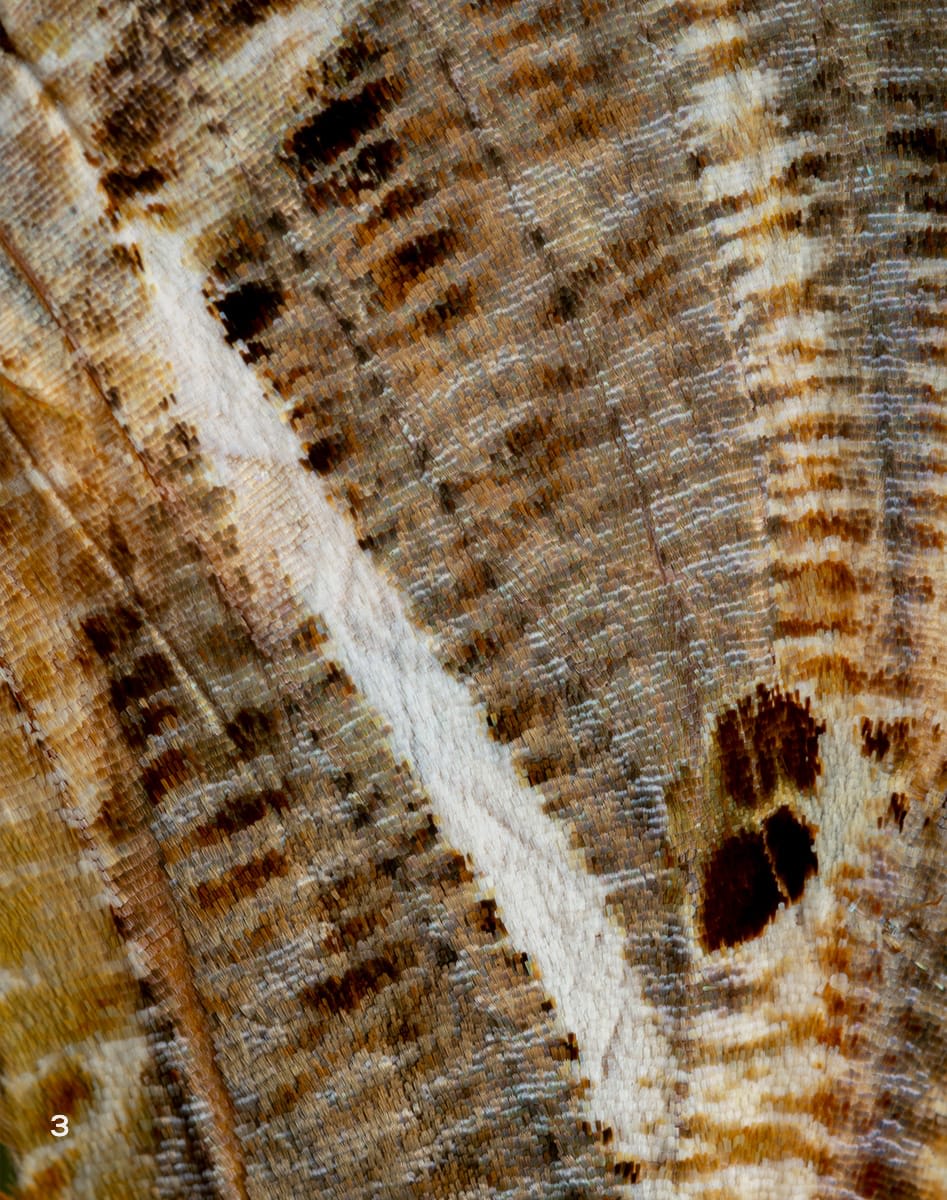
Iridescent blue, green, or metallic colors can be different. These are often structural colors, created when light interacts with microscopic structures in the scales. Studies of butterfly and moth scales show that scale microstructures, including ridges, lamellae, and chitin-based layers, can produce optical effects and structural color.
This is why a wing may look blue from one angle and dull from another. The color is not always “painted” into the wing. Sometimes it comes from the physical structure of the scale itself.
For identification, this means lighting matters. A moth photographed under a porch light may look different from the same moth seen in daylight.
A Simple Checklist for Moth Identification by Wing Pattern
When you find a moth, use this step-by-step checklist.
1. Take a Clear Photo Before It Moves
Photograph the moth from above if possible. A side view can also help, especially if the body shape, antennae, or resting posture is visible.
2. Note the Size
Estimate the wingspan or compare it with a familiar object. Is it tiny, fingernail-sized, palm-sized, or very large?
3. Record the Location and Habitat
Was it on a tree trunk, wall, grass, garden plant, porch light, window, or forest path? Habitat can narrow the possibilities.
4. Look at the Resting Shape
Is the moth triangular, flat, tent-like, narrow, or T-shaped? Shape often gives the first strong clue.
5. Identify the Base Color
Write down the main color before looking at details. Brown-gray, cream, white, green, orange, and black patterns often point toward different groups.
6. Study Lines, Bands, and Spots
Look for crosslines, wavy markings, central spots, kidney-shaped marks, dark borders, or pale patches.
7. Check for Eyespots or Hidden Hindwings
If the moth opens its wings, note whether the hindwings are bright, plain, or marked with eyespots.
8. Compare With a Regional Guide
Moth identification is regional. A species common in one country may not occur in another. Use local field guides, museum resources, conservation websites, or trusted citizen-science platforms.
Common Mistakes When Identifying Moths by Wing Pattern
Mistake 1: Relying on Color Alone
Color changes with lighting, age, camera settings, and scale loss. Pattern structure is often more useful than color alone.
Mistake 2: Ignoring Resting Posture
A moth’s wing position can completely change how the pattern appears. A triangular resting shape may hide the hindwings, while a spread-wing posture may reveal more markings.
Mistake 3: Forgetting That Moths Wear Down
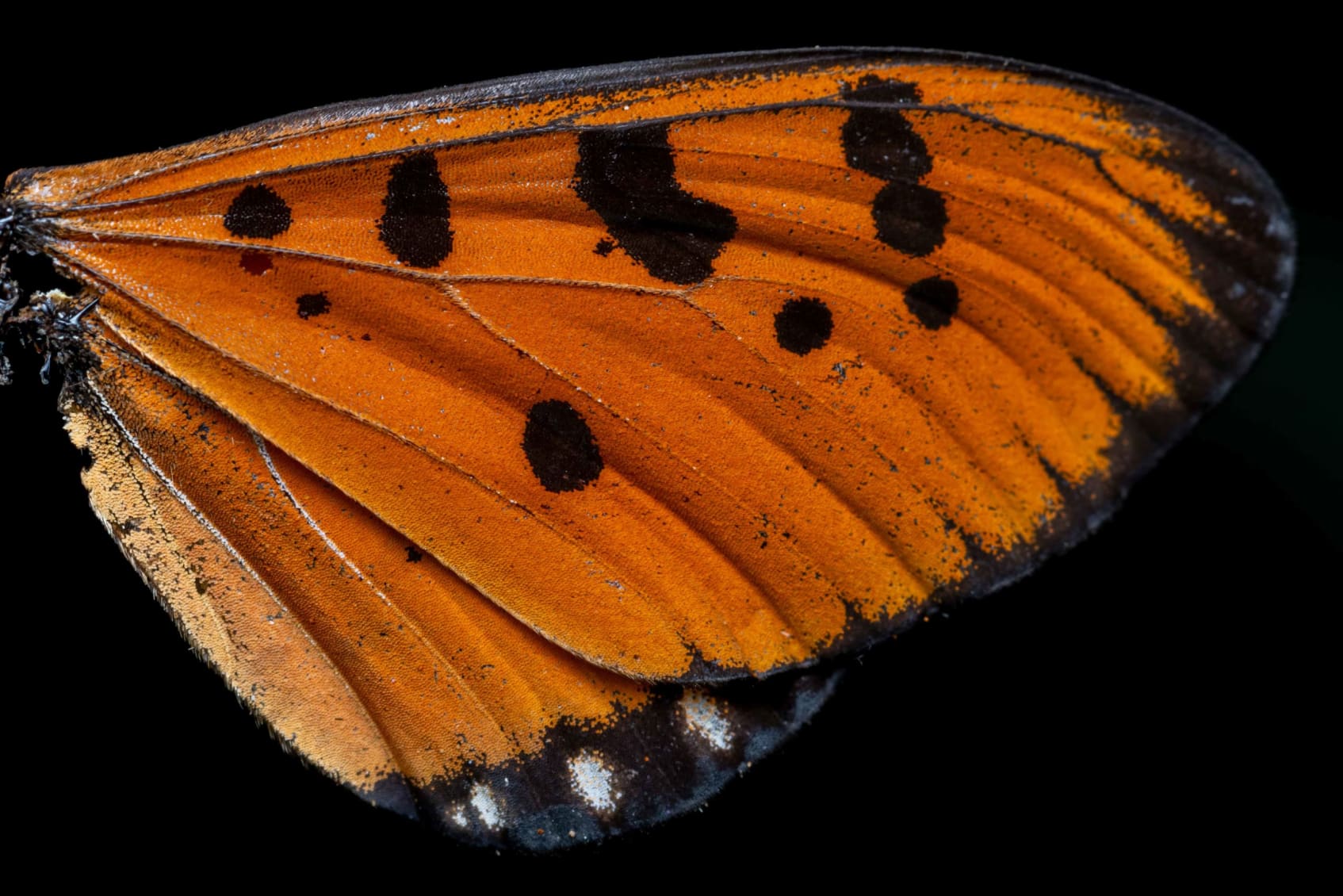
Older moths may lose scales, fade, or have torn wing edges. A worn moth may not match field guide photos perfectly.
Mistake 4: Assuming Every Brown Moth Is the Same
Many brown moths are highly patterned when viewed closely. Look for subtle lines, dots, textures, and wing-edge shapes.
Mistake 5: Not Recording Date and Place
Season and location matter. A moth seen in spring may belong to a different group from a similar-looking moth in autumn.
Why Wing Patterns Matter Beyond Identification
Moth wing patterns are beautiful, but they are also functional. They help moths hide, warn, confuse, attract mates, and survive long enough to reproduce.

Moths also matter ecologically. Many are pollinators, and many are food for birds, bats, frogs, spiders, and other animals. A 2023 PLOS ONE study on bramble flowers found higher pollen deposition rates at night and suggested that moths may be more efficient pollinators of bramble than diurnal insects in that study system.
Even small gardens, flowering weeds, native plants, and dark corners can support moth life. When you learn to recognize moths by wing pattern, you also begin to notice a quieter side of biodiversity that often appears after sunset.
Final Thoughts
Moth identification by wing pattern is part science, part observation, and part patience. At first, the details may seem overwhelming. But over time, the wings become easier to read.
Start with the big clues: shape, posture, color, and habitat. Then move closer: crosslines, spots, eyespots, borders, and hidden hindwings. Notice whether the pattern looks like bark, leaf litter, warning color, or a visual trick.
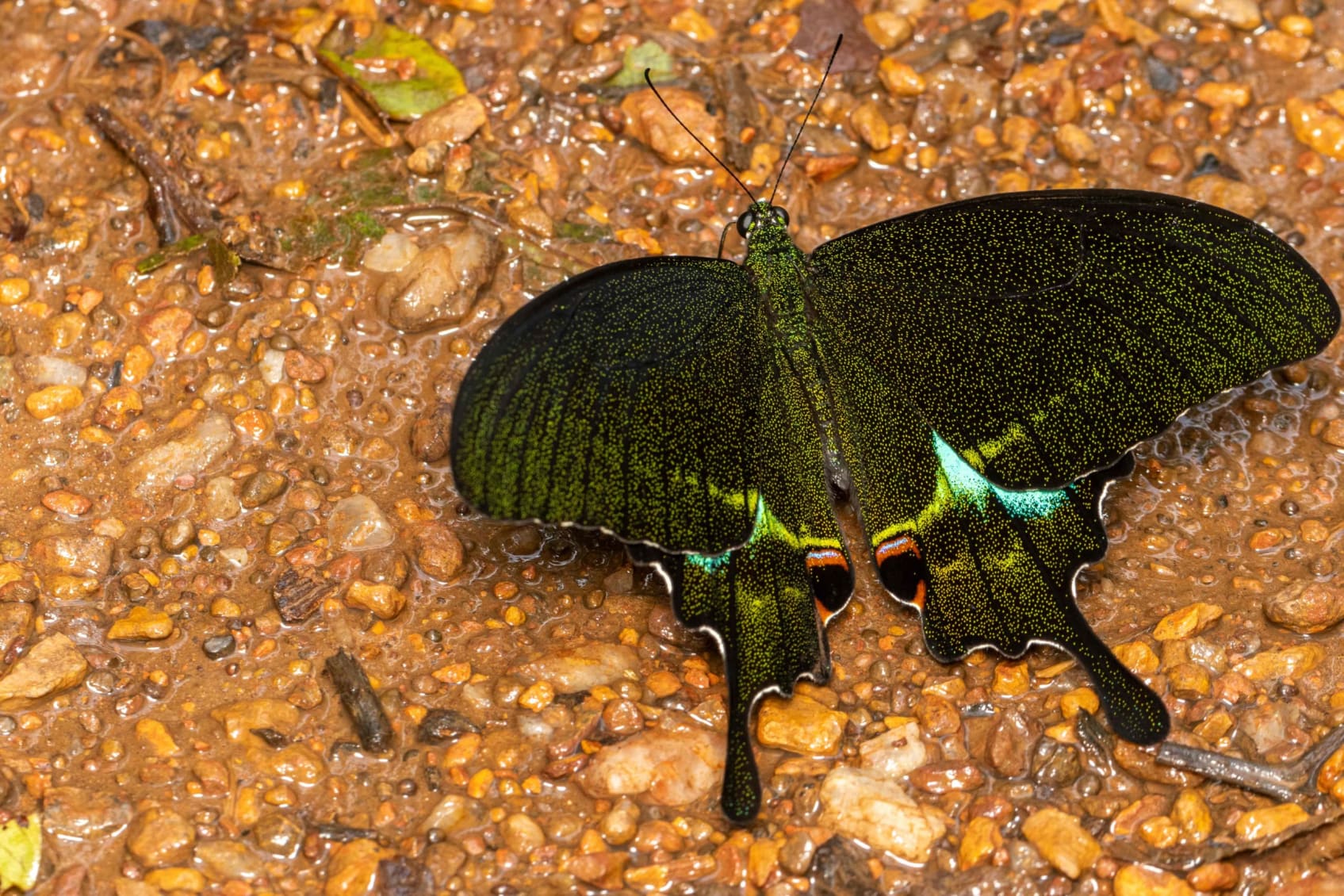
A moth on a wall is not just a small night insect. It is a living pattern shaped by camouflage, light, development, predators, and evolution. Once you learn to look carefully, even the plainest brown moth becomes far more interesting.
FAQ
What is the easiest way to identify a moth by wing pattern?
Start with the moth’s resting shape, then look at the base color, crosslines, spots, wing edges, and any eyespots. A clear photo from above is usually the most helpful starting point.
Can you identify a moth by wing pattern alone?
Sometimes, but not always. Wing pattern is very useful, but it should be combined with size, location, season, habitat, resting posture, and body shape.
Why do many moths have brown or gray wing patterns?
Many moths use brown, gray, cream, and bark-like patterns for camouflage. These colors help them blend into tree bark, dead leaves, soil, rocks, or walls while resting.
What do eyespots on moth wings mean?
Eyespots may startle predators, redirect attacks away from the body, or make the moth look larger or more threatening than it really is.
Why do some moths have bright colors?
Bright colors may act as warning signals, help with mating, or appear suddenly during flight to confuse predators. Some moths hide bright hindwings beneath dull forewings.
Do moth wing patterns change as they get older?
The basic pattern does not change after the adult moth emerges, but the wings can fade, lose scales, tear, or become worn. This can make older moths harder to identify.
Are moths as important as butterflies?
Yes. Moths are important pollinators and an important food source for many animals. They are also useful indicators of local biodiversity.
What should I photograph for moth identification?
Take a photo from above, and if possible, one from the side. Try to capture the wing pattern, resting posture, antennae, body shape, and size. Also note the date and location.