Moth vs Butterfly Antennae Comparison: What to Look For
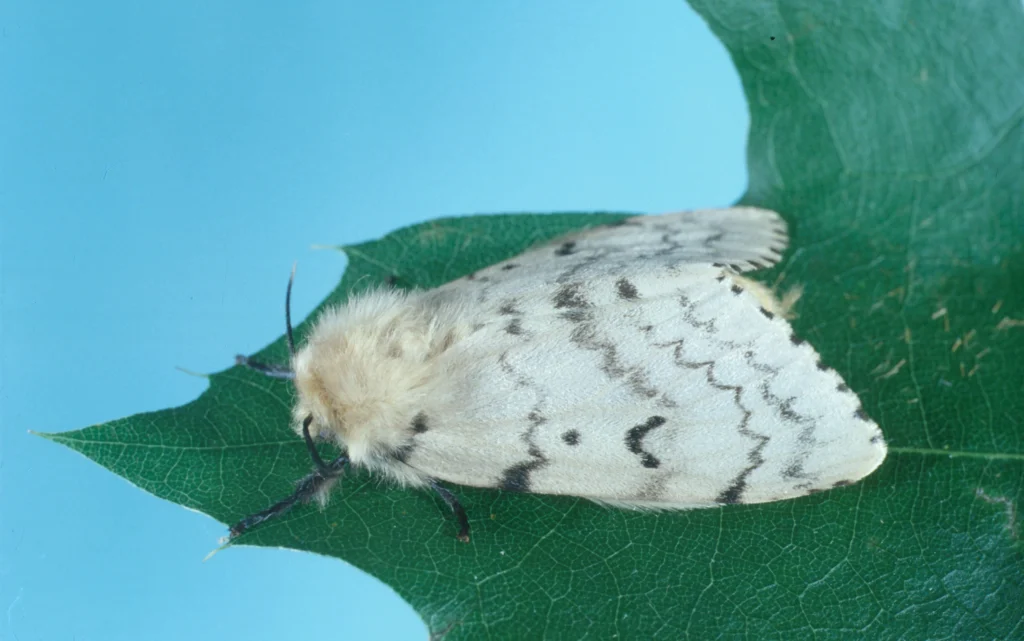
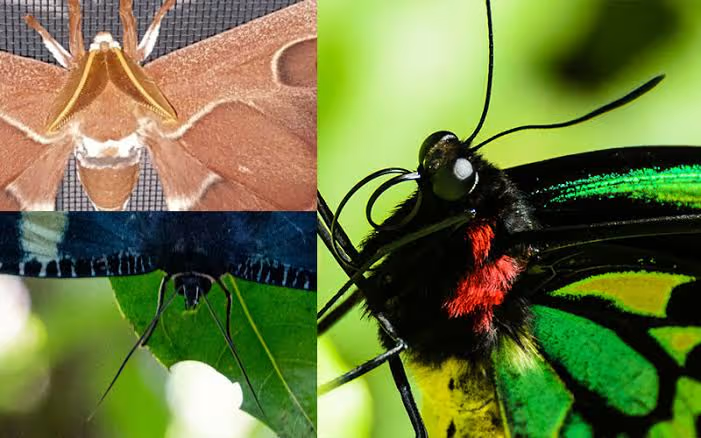
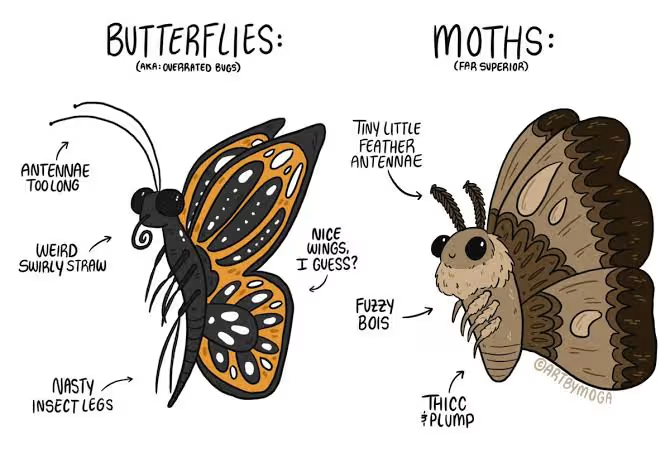
The fastest visible clue in a moth vs butterfly antennae comparison is usually the tip. Most butterflies have slender antennae ending in a distinct club, knob, or—among many skippers—a small hooked club. Moth antennae are more varied. They may be threadlike, tapered, saw-edged, comb-like, or broadly feathery, and they usually lack the neat rounded club seen on butterflies.
A clearly feathery pair of antennae strongly suggests a moth. A plain threadlike pair is less decisive because many moths have simple, narrow antennae. Antennae are therefore one of the best first clues, but they should be checked together with resting wing position, body shape, activity time, and other visible features.
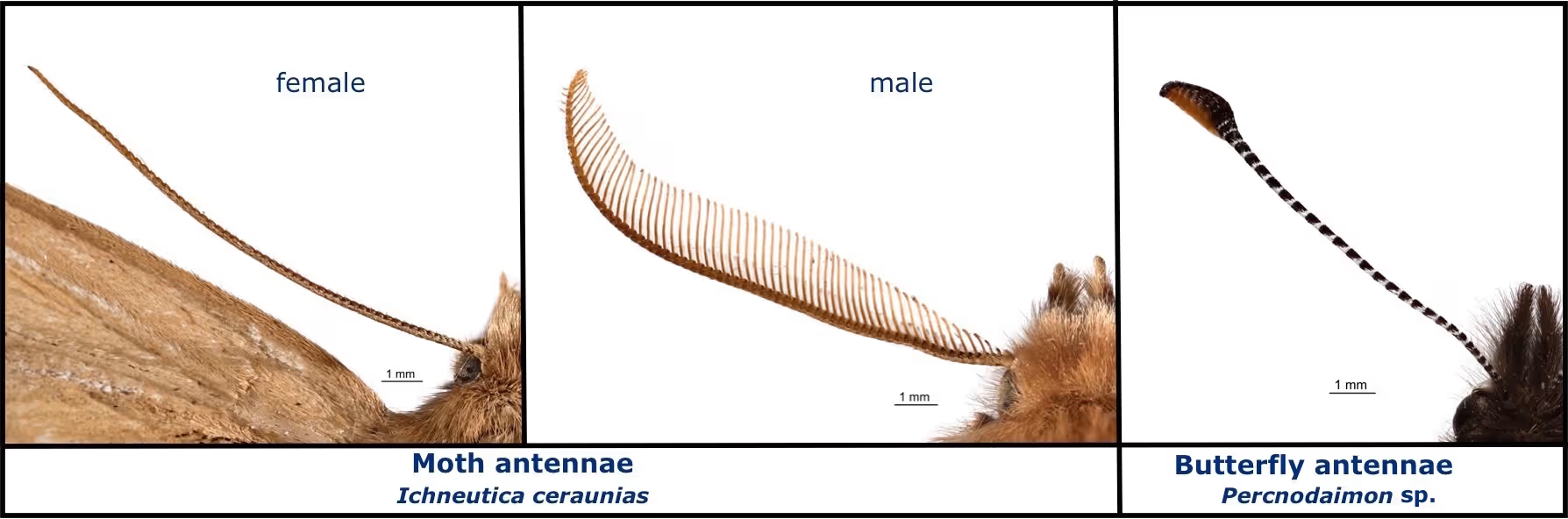
| Feature | Butterfly antennae | Moth antennae |
|---|---|---|
| Typical shaft | Slender and fairly smooth | May be slender, tapered, saw-edged, comb-like, or feathery |
| Tip | Usually ends in a rounded or elongated club | Usually lacks a distinct rounded club |
| Common variation | Skippers often have a hooked or bent club at the tip | Many moths have simple threadlike antennae rather than obvious plumes |
| Feathery appearance | Not typical | Common in some groups, especially in males of certain species |
| Identification value | A visible club strongly supports butterfly | Feathery or comb-like antennae strongly support moth; threadlike antennae need more clues |
Butterfly Antennae: Look for the Club at the Tip
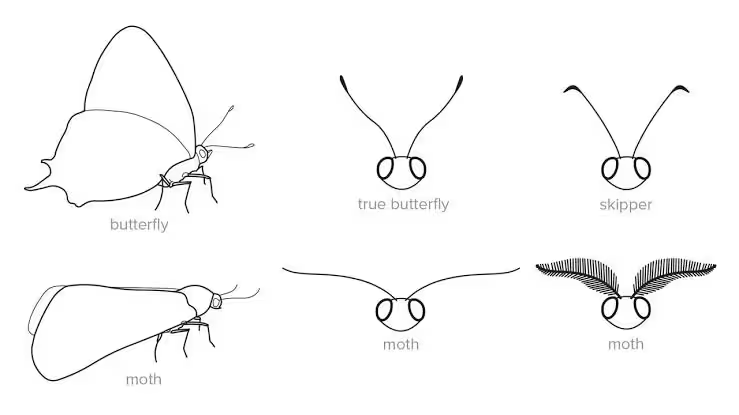
Butterfly antennae usually look like two thin rods extending from the head, with each rod becoming noticeably thicker near the end. The thickened section may appear round, oval, or gradually enlarged rather than perfectly ball-shaped. In a clear photograph, the club is often easier to recognize than differences in color or body fuzziness.
Skippers can look slightly different from other butterflies. Their antennae commonly end in a club with a narrow hooked or bent extension. That hooked tip is still more butterfly-like than the steadily tapering or feathered antennae seen in most moths.
Moth Antennae: More Shapes Than Many Beginners Expect
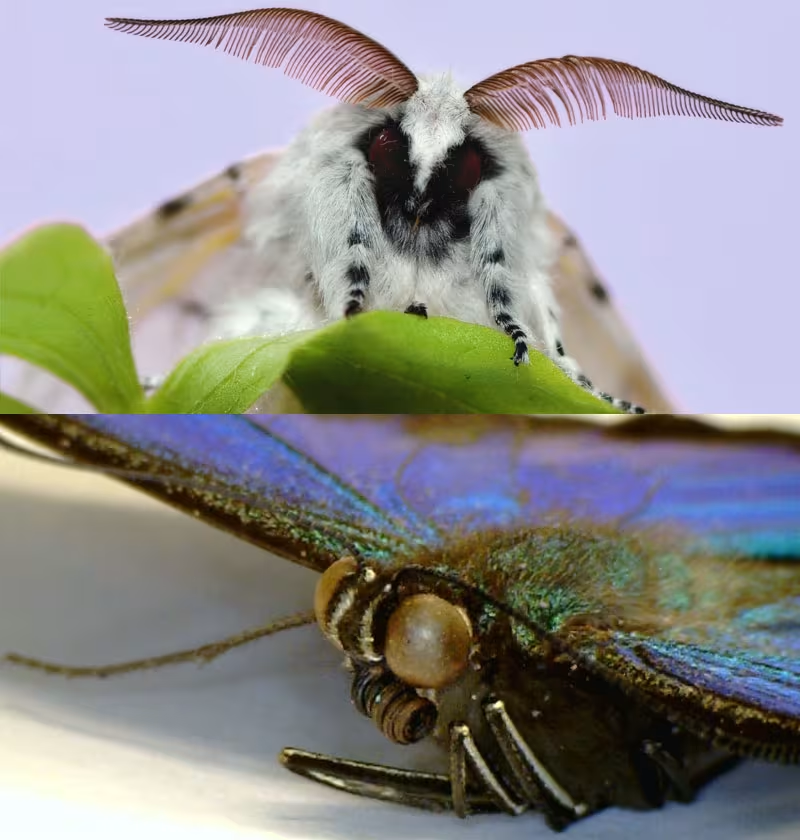
Not every moth has dramatic feather-like antennae. Moth antennae occur in several useful visual forms:
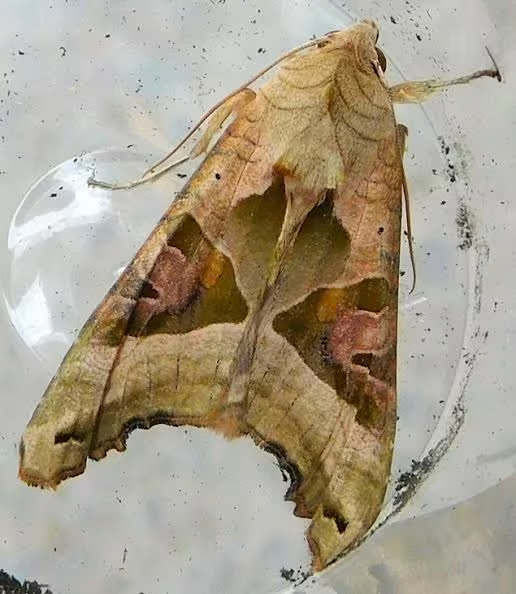
- Threadlike: narrow along most of their length and usually tapering without a club.
- Saw-edged: lined with short projections that create a slightly serrated outline.
- Comb-like: projections extend mainly from one side or form a clearly toothed structure.
- Feathery: long branches extend from the central shaft, producing a broad plume.
This variation explains why the simple rule “butterflies have thin antennae and moths have feathery antennae” is incomplete. Many small moths have antennae that look thin and plain from a normal viewing distance. In those cases, the most useful question is not whether the antennae are feathery, but whether they end in a clearly defined club.
Why Some Male Moths Have Large Feathery Antennae
Antennae are sensory organs. Their surfaces contain structures that help Lepidoptera detect airborne chemicals and other environmental information. In some moth groups, males have broader or more heavily branched antennae than females. The extra branches increase the available surface area for sensory receptors involved in detecting female pheromones.
This pattern is especially conspicuous in some silk moths, but it is not a universal male-moth feature. A moth with simple antennae may be male or female, and antenna shape alone should not be used to determine sex unless the species or group is already known.
Important Exceptions to the Antennae Rule
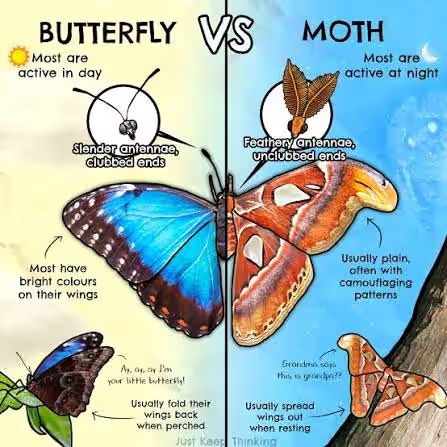
The antennae rule is highly useful, but it is not absolute. Some day-flying moth groups have clubbed antennae and can look remarkably butterfly-like. Skippers, which are butterflies, often have hooked antenna clubs rather than simple rounded knobs. Distance, motion blur, worn specimens, and an unfavorable camera angle can also hide the tip.
For these reasons, do not classify an insect from one unclear antenna alone. Combine the antenna shape with several other clues:
- Butterflies often rest with their wings held upright over the back.
- Moths often rest with their wings flat, roof-like, wrapped, or spread, although exceptions are common.
- Many butterflies are active in daylight, while many moths are active at night or around dusk.
- Moths often have thicker or hairier-looking bodies, but body shape varies.
- Bright color does not prove butterfly, and muted color does not prove moth.
How to Photograph Antennae for Identification
Antennae are small and frequently disappear in a wide photo. For a more useful identification image:
- Take one photograph from directly above and another from the front or side.
- Focus on the head and antenna tips rather than only the wings.
- Use natural light or soft indirect light when possible.
- Avoid touching or repositioning the insect just to expose its antennae.
- Keep the original full-resolution image so the head can be enlarged later.
- Also record location, date, approximate size, resting posture, and activity time.
A sharp close-up may confirm whether the tip is clubbed, tapered, hooked, or branched. It may help separate a moth from a butterfly, but it usually cannot identify the exact species by itself.
Quick Antennae Check
- Find the tip. A distinct club or knob usually points toward a butterfly.
- Check the shaft. Feathery, comb-like, saw-edged, or steadily tapering antennae usually point toward a moth.
- Look for a hook. A narrow hook extending from a club commonly suggests a skipper.
- Use another clue. Confirm the first impression with wing posture, body shape, time of activity, and a clear photograph.
For a broader identification method, see the beginner’s guide to moth identification. Readers comparing other visible features can also explore the moth species guide with pictures.
References and Further Reading
- How Can You Tell the Difference Between a Butterfly and a Moth? — Library of Congress
- Butterflies and Moths Educator’s Guide — Florida Museum of Natural History
- Moths and Butterflies: What Are the Differences? — University of California Agriculture and Natural Resources / Bohart Museum of Entomology
- Creature Corner: Atlas Moths at the McGuire Center — Florida Museum of Natural History
- What Are the Differences Between Butterflies and Moths? — Australian Museum