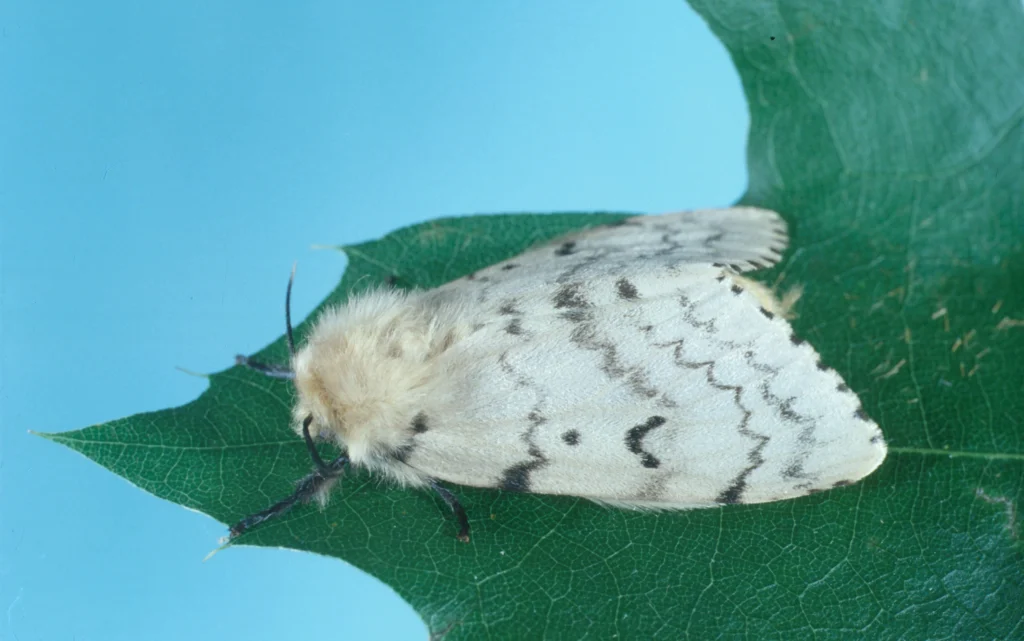
Moths are insects in the order Lepidoptera, the same order that includes butterflies and skippers. Lepidoptera is one of the largest insect groups, with roughly 180,000 described species overall.
Like other insects, moths have a head, thorax, abdomen, six legs, antennae, and wings in the adult stage. One feature shared by moths and butterflies is that their wings and bodies are covered with tiny scales. These scales produce the colors, patterns, bands, spots, and markings that make many species identifiable.
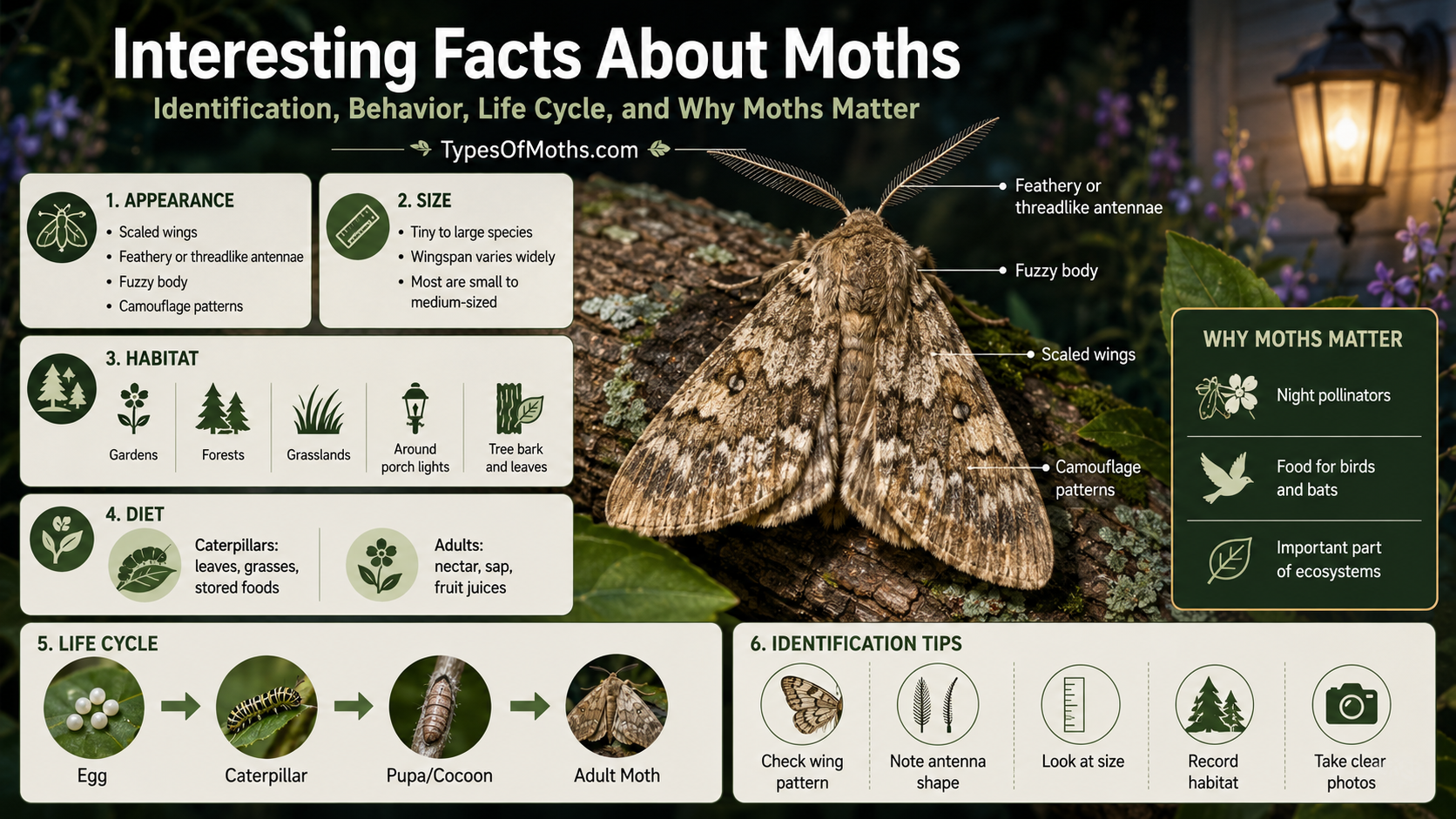
Moths are not a single category of dull brown insects. They include tiny leaf miners, large silk moths, colorful tiger moths, fast-flying sphinx moths, delicate plume moths, and species that convincingly mimic leaves, bark, bees, wasps, and even bird droppings.
Moths Are More Diverse Than Most People Think
One of the most striking facts about moths is just how many there are. The Smithsonian notes approximately 160,000 moth species worldwide, compared with roughly 17,500 butterfly species. In the United States alone, nearly 11,000 moth species have been recorded.
That means moths account for a large majority of all Lepidoptera. Most people can name a monarch or a swallowtail, but far fewer can name a common moth family. Part of this is simply because many moths are nocturnal, small, or camouflaged well enough that they go unnoticed.
Moths vary widely in size, color, wing shape, antennae shape, resting posture, flight time, habitat, larval host plants, and adult feeding behavior. Some are smaller than a grain of rice. Others have broad wings and dramatic markings. Some fly during the day. Some do not feed as adults at all. Some are important pollinators. A small number are household pests. Most simply live quietly in gardens, forests, fields, wetlands, and urban green spaces.
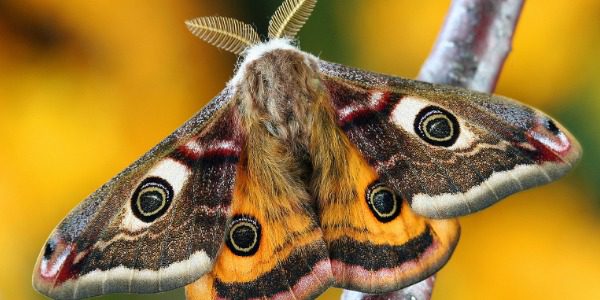
Moths and Butterflies: Key Differences
Moths and butterflies are closely related, so the difference is not always as neat as “moths fly at night, butterflies fly during the day.” That rule is a useful starting point, but it has real exceptions. Some moths are active in daylight, and some butterflies roost in shaded places that make them less obvious.
Still, several practical differences help beginners:
| Feature | Moths | Butterflies |
|---|---|---|
| Antennae | Often feathery, threadlike, or saw-edged | Usually clubbed at the tips |
| Activity time | Many are nocturnal, but some fly by day | Mostly active during the day |
| Resting wings | Often held flat, roof-like, or wrapped around the body | Often held upright over the back |
| Body shape | Often thicker or fuzzier-looking | Often slimmer and smoother-looking |
| Color | Many are muted, but many are colorful | Often colorful, but not always |
| Pupa stage | Many form cocoons or pupate in soil or leaf litter | Often form a chrysalis |
The University of California notes that butterflies are generally diurnal and moths generally nocturnal, while also emphasizing that exceptions exist in both groups.
The Antennae Clue
For beginners, antennae are often the easiest starting point. Butterflies usually have club-shaped antennae with thicker tips. Moths tend to have antennae that are feathery, comb-like, threadlike, or tapered.
Antennae alone are not enough to identify a species, though. They work best alongside other details: wing shape, size, resting posture, markings, and location.
Interesting Facts About Moths and Their Life Cycle
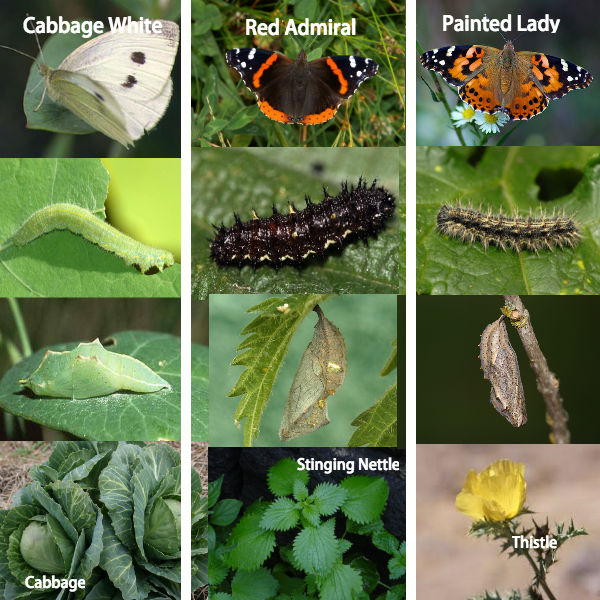
Moths go through complete metamorphosis, developing through four major stages: egg, larva, pupa, and adult. This is the same basic pattern shared with butterflies.
1. Egg
A female moth lays eggs on or near a suitable host plant, food source, or habitat. Where she places them matters because newly hatched caterpillars often need specific food right away.
Depending on the species, eggs may be laid on leaves, bark, stems, grasses, stored food materials, fabrics, or other surfaces.
2. Larva
The larval stage—the caterpillar stage—is the primary feeding stage. Moth caterpillars may eat leaves, grasses, flowers, seeds, roots, lichens, stored grains, wool, feathers, or other organic materials, depending entirely on the species.
Many caterpillars are highly specialized feeders that rely on one plant group. Others are more flexible and will use a range of host plants.
3. Pupa
After growing through several molts, the caterpillar becomes a pupa. Some moth caterpillars spin silk cocoons. Others pupate underground, in leaf litter, inside plant stems, or in sheltered cracks.
Inside the pupa, the insect reorganizes entirely and becomes an adult moth.
4. Adult
The adult stage is the winged stage most people recognize. Adults focus mainly on reproduction and dispersal. Some feed on nectar or other liquids. Others have reduced mouthparts and do not feed at all.
The adult stage may last only a short time for some species. Others live longer, depending on the species, season, temperature, and conditions.
Many Moths Are Important Night Pollinators
Moths are easy to overlook as pollinators because most of their activity happens after dark. The U.S. Forest Service describes moths and bats as taking over the “night shift” for pollination, with many night-blooming flowers attracting moths through pale colors, strong fragrance, and abundant nectar.
The U.S. Fish & Wildlife Service notes that nocturnal pollinators—including moths, bats, beetles, and other insects—collect pollen and nectar at night, supporting both wild plants and some agricultural crops.
Flowers That Often Attract Moths
Moth-pollinated flowers are typically pale, white, or light-colored, strongly scented at night, tubular or deep-throated, nectar-rich, and open in the evening or after dark.
Some moths hover while feeding, similar to hummingbirds. Others land directly on flowers. Sphinx moths and hawk moths are particularly well known for their hovering flight and long proboscis.
Not All Moths Are Brown or Dull
One of the most common misconceptions about moths is that they are plain, dusty, and uniformly brown. Some are, but a great many are strikingly patterned or brightly colored.
The Natural History Museum in London has noted that moths are often unfairly dismissed as the dull relatives of butterflies, despite many species being colorful and distinctively marked.
Visually striking examples include luna moths with pale green wings, tiger moths with bold spots or warning colors, cinnabar moths with red and dark markings, elephant hawk-moths with pink and olive tones, clearwing moths that resemble bees or wasps, underwing moths with hidden bright hindwings, and giant silk moths with large eyespots.
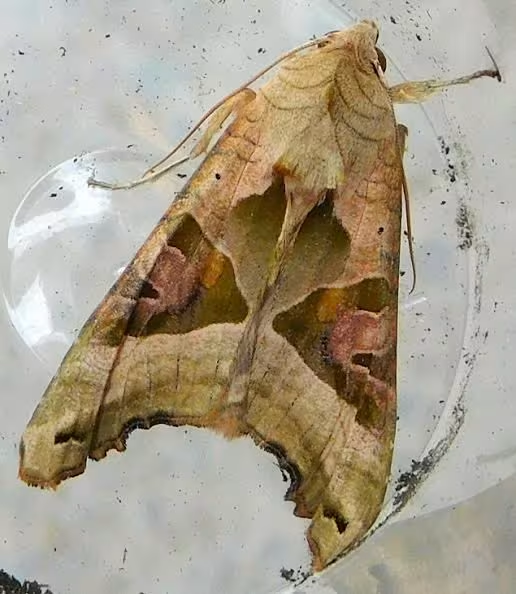
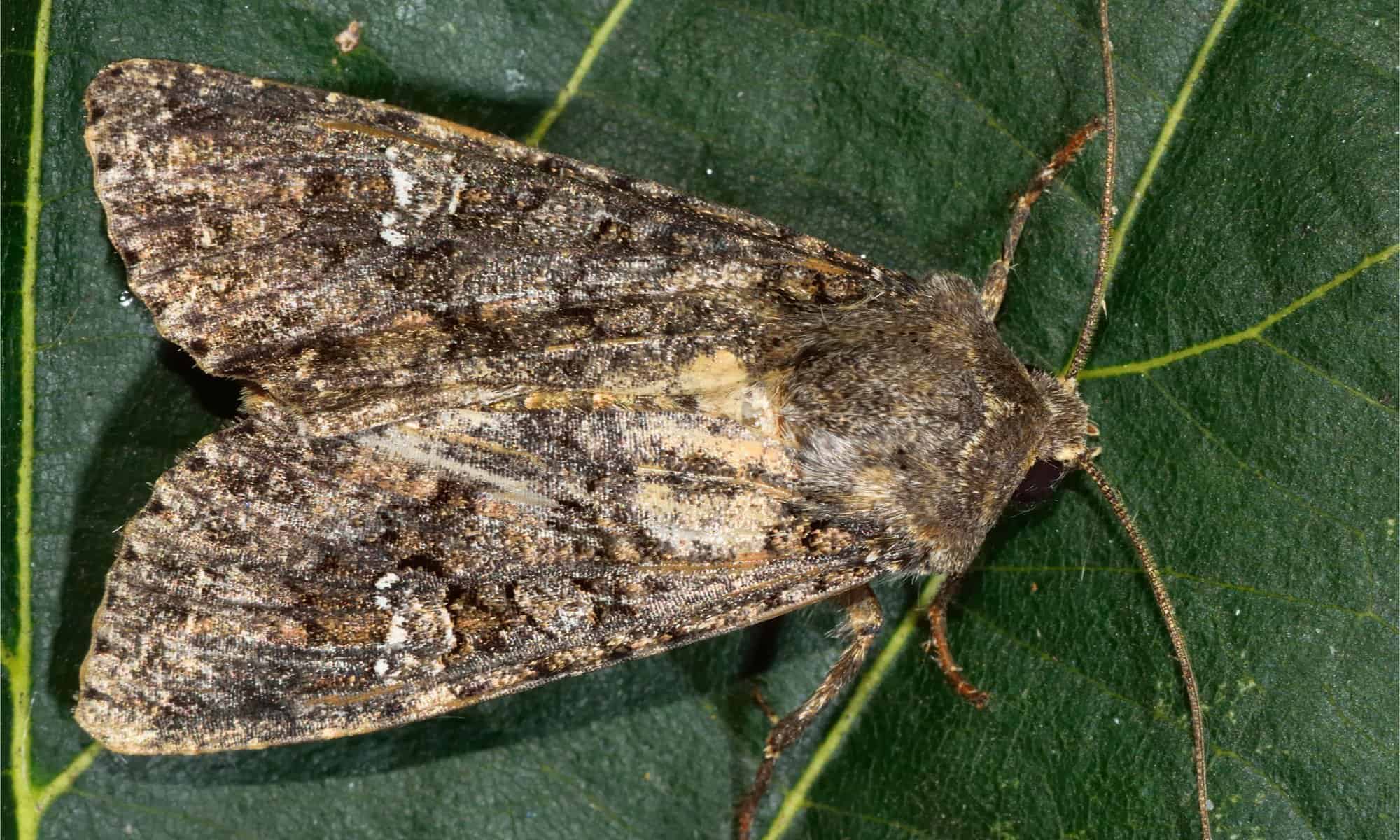
Many moths are subtle because camouflage helps them survive. A bark-colored moth resting on a tree trunk is just as remarkable as a brightly colored species—it is simply using a different strategy.
Moths Use Camouflage, Mimicry, and Warning Colors
Moths are skilled visual deceivers. Some look like dead leaves, bark, lichen, twigs, bird droppings, bees, or wasps. This camouflage helps them avoid birds, bats, spiders, mantises, and other predators. The Xerces Society notes that moths have evolved a wide range of predator-deterring strategies, including both camouflage and mimicry.
Eyespots: Some moths have large circular markings that resemble eyes. These may startle predators or make the moth appear larger than it is.
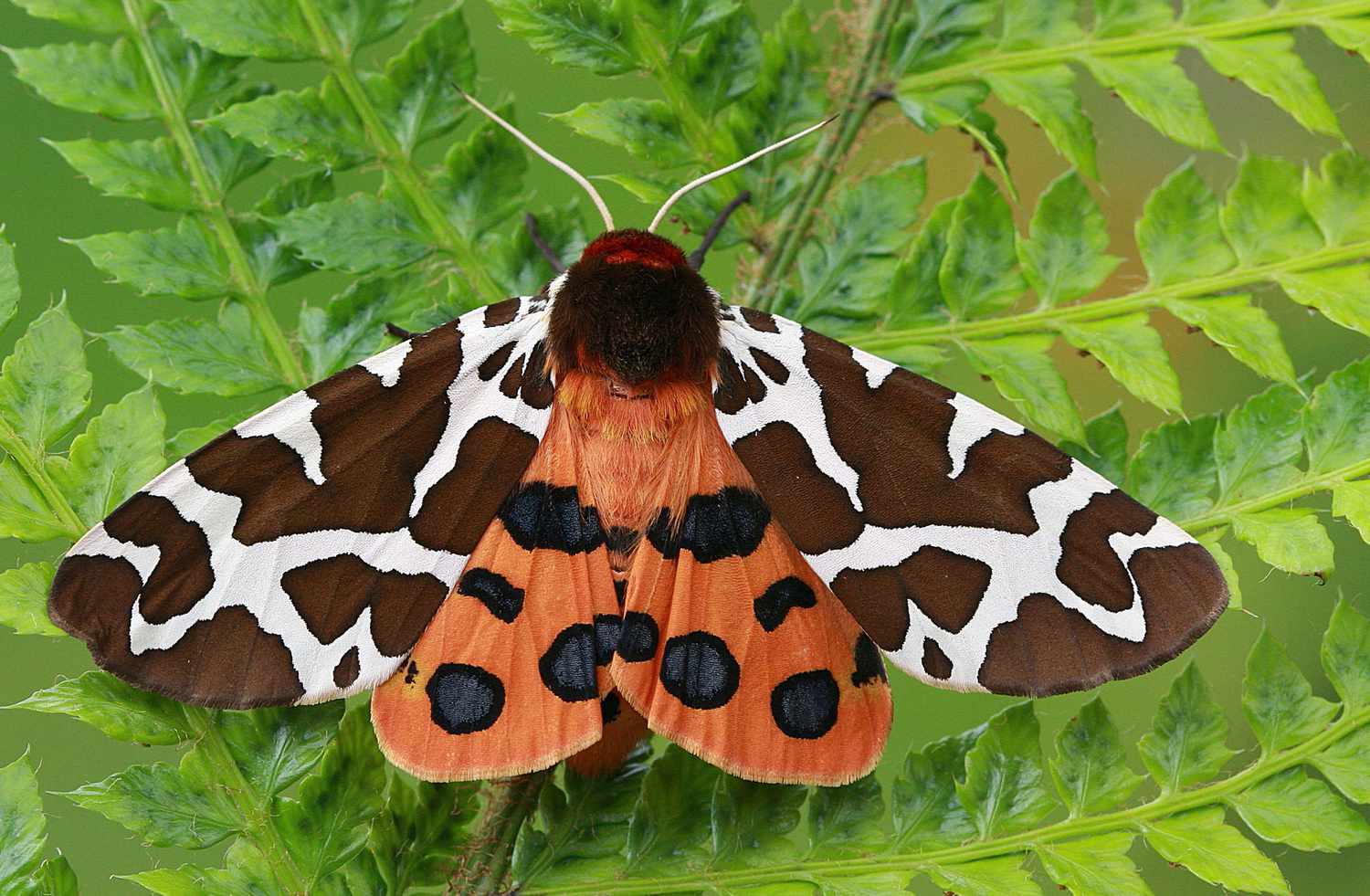
Warning colors: Bright colors can signal that an insect is unpleasant-tasting or chemically defended. Not every colorful moth is dangerous, and not every dull moth is harmless. Color is only one clue.
Mimicry: Some moths resemble bees or wasps closely enough to discourage predators. Clearwing moths are a well-known example. Their transparent wings and narrow bodies can make them look more like stinging insects than moths.
Why Are Moths Attracted to Light?
Many people first notice moths because they cluster around porch lights, windows, streetlights, or outdoor lamps. This behavior is familiar, but its exact causes are still studied and debated.
A practical explanation is that artificial light can interfere with how night-flying insects orient themselves. In natural darkness, moths may rely on celestial light, horizon cues, or other environmental signals. Bright artificial light can disrupt those cues, causing moths to circle, land nearby, or remain exposed.
Not all moths respond the same way. Attraction varies by species, season, weather, sex, age, and the type of light involved. Some moth watchers use lights and white sheets to observe moths—but excessive lighting can also expose insects to predators or exhaust them if used carelessly.
Moth-Friendly Lighting Tips
Simple steps can reduce disturbance to moths and other night insects:
- Use outdoor lights only when needed
- Choose warmer, lower-intensity lighting where possible
- Turn off unnecessary lights at night
- Use motion sensors rather than all-night lighting
- Avoid placing bright lights next to native plants or garden habitat
What Do Moths Eat?
Moth diets depend heavily on life stage.
Adult Moths
Many adult moths drink liquids, including flower nectar, tree sap, overripe fruit juices, moisture from mud or soil, honeydew from aphids, and other natural liquids. Some adult moths do not feed at all, living on energy stored during the caterpillar stage.
Moth Caterpillars
Caterpillars do most of the eating. Many feed on leaves, but diets vary considerably by species. Moth larvae may eat tree leaves, garden plants, grasses, wildflowers, seeds, stored grains, wool or animal fibers, fungi or lichens, plant roots, or dead organic material.
The Missouri Department of Conservation notes that identifying a caterpillar’s host plant can be useful for moth identification because many species are closely associated with specific plants.
Caterpillars Are Often Worth Observing Too
Many people focus on adult moths and overlook caterpillars. In some cases, the host plant, markings, body shape, hairs, or feeding damage left by a caterpillar can provide useful identification clues.
That said, caterpillar identification takes care. Some caterpillars change appearance significantly as they grow, and some look similar to unrelated species.
Caterpillar safety note: Most moth caterpillars are harmless to observe, but some hairy or spiny species can irritate skin. Avoid handling unfamiliar caterpillars with bare hands, especially for children. If someone develops significant irritation, swelling, breathing difficulty, or an allergic reaction after contact, seek medical advice.
Moths Around Homes and Gardens
Most moths found around homes are harmless visitors. They may rest on walls, windows, porch ceilings, door frames, or screens after being attracted by light.
A small number of species can become household pests—most notably clothes moths and pantry moths.
Clothes Moths
Clothes moth larvae can damage wool, fur, feathers, silk, and other animal-based materials. The adults themselves are often small and unassuming; the damage comes from the larvae, not the flying adult. Utah State University Extension describes the webbing clothes moth as a common fabric-damaging species, with characteristics including golden scales, reddish-gold head hairs, narrow wings, and fringed hind wings.
Pantry Moths
Pantry moth larvae can infest stored dry foods such as grains, flour, cereal, nuts, seeds, and pet food. Finding an adult moth in the kitchen does not automatically confirm an infestation, but repeated sightings near stored food should prompt a careful inspection.
Garden Moths
In gardens, moths may be beneficial, neutral, or occasional plant-feeding pests. Many adult moths visit flowers. Caterpillars may feed on leaves, and a few can damage vegetable or ornamental plants. However, many native caterpillars are important food for birds and other wildlife, so identification is worth the effort before taking any action.
Practical Moth Identification Tips
Moth identification works best when you combine several clues. A single feature rarely settles the question.
1. Note the Location
Record where the moth was found—country, state or region, city or rural area, and the specific environment (forest, garden, field, wetland, home, pantry, closet, porch wall, or similar). Many moth species have limited ranges, so location is one of the most useful clues available.
2. Record the Season
Some moths fly only during specific months. Others have multiple generations in warmer climates. A spring moth and a late-summer moth may belong to entirely different species groups.
3. Estimate Size
Size helps narrow possibilities, but it should be estimated carefully. Useful comparisons include body length, wingspan, resting width, and comparison against a coin, finger, leaf, or ruler.
4. Photograph the Wings Clearly
The University of Florida IFAS Extension recommends clear photos of wing patterns, coloration, and distinctive markings for accurate moth observation. Try to capture a dorsal view from above, a side view if possible, wing shape, lines or bands or spots, fringe or scalloped wing edges, body color, and antennae shape.
5. Look at the Antennae
Antennae may be threadlike, feathery, comb-like, saw-edged, thickened, or short to long. Male moths in some species have especially feathery antennae that detect female pheromones from a distance.
6. Observe Resting Posture
Some moths rest with wings flat. Others hold them roof-like over the body or wrap them tightly around themselves. Resting posture can help point toward certain moth families.
7. Consider Habitat and Host Plants
If you find a caterpillar, note the plant it was feeding on. If you find an adult moth in a garden, nearby plants may still offer useful context.
8. Be Honest About Uncertainty
Some moths cannot be identified confidently from a single photo. Species in certain groups may require close examination, expert review, or microscopic features. A responsible identification might say “likely a geometer moth,” “possibly a tiger moth,” “a species in the family Noctuidae,” or “cannot confirm species from this photo alone.” That is far better than guessing at an exact name without enough evidence.
Helpful Moth Identification Checklist
| Identification Detail | Why It Matters |
|---|---|
| Location | Many species are regional |
| Date and season | Moth flight periods vary |
| Size | Helps separate similar species |
| Wing pattern | Often one of the strongest visual clues |
| Wing shape | Useful for family-level identification |
| Antennae | Helps separate moths from butterflies; may suggest sex |
| Resting posture | Can point toward certain moth groups |
| Habitat | Forest, grassland, garden, wetland, home, pantry, etc. |
| Host plant | Especially useful for caterpillars |
| Clear photos | Essential for responsible identification |
Common Mistakes and Misconceptions About Moths
Thinking all moths eat clothes
Only a small number of moth species damage fabrics. Most moths have nothing to do with clothing. Clothes moth damage is caused by larvae feeding on animal-based fibers, not by any moth that happens to enter a home.
Thinking all moths are pests
Many moths are harmless or beneficial. They pollinate flowers, feed birds and bats, recycle plant material, and support food webs.
Assuming brown means boring
A brown moth up close may have delicate lines, scalloped wings, or intricate bark-like camouflage. Many “plain” moths are worth a second look.
Identifying a moth from color alone
Color can vary with age, lighting, wing wear, and camera settings. Wing shape, markings, antennae, size, season, and location all matter too.
Calling every indoor moth a clothes moth
A moth found indoors may be a pantry moth, a clothes moth, an outdoor visitor, or simply an accidental entry. Location matters. A moth in a closet suggests different possibilities than a moth near flour, cereal, or a kitchen light.
Assuming all moths are nocturnal
Many moths fly at night, but quite a few are active during the day. Day-flying moths can be colorful and are sometimes mistaken for butterflies.
Believing moths are dangerous
Most moths pose no threat to people. Some larvae may irritate skin on contact, and a small number of household species can damage stored goods or natural fiber textiles, but moths are not generally harmful insects.
When to Seek Expert Help
Consider consulting an expert when:
- You need a confident species-level identification
- The moth may be a regulated agricultural pest
- You repeatedly find moths in stored food or clothing areas
- A caterpillar caused skin irritation or an allergic response
- You are documenting moths for a school, research, or citizen science project
- Photos are unclear or the species belongs to a difficult group
Good sources include local extension offices, natural history groups, moth recording communities, university entomology departments, and reputable citizen science platforms. For best results, provide clear photos from multiple angles, location, date, approximate size, habitat, host plant if known, and any behavior observed.
Why Moths Matter in Nature
Moths are part of many ecological relationships. They serve as pollinators, food for birds, food for bats, prey for spiders, reptiles, amphibians, and small mammals, plant feeders, decomposers in some larval niches, and indicators of habitat quality.
National Geographic describes moths as important pollinators, indicators of environmental health, and a significant food source across food webs.
This is why understanding moths matters. When people think of moths only as pests, they miss the broader picture. A single moth on a porch may be part of a food web connecting native plants, caterpillars, songbirds, bats, and night-blooming flowers.
How to Observe Moths Responsibly
Moth watching is accessible and beginner-friendly. You can find moths on porch lights, window screens, tree trunks, garden flowers at dusk, native plants, leaf litter, walls, fences, and outdoor lights on warm evenings after rain.
A few simple guidelines keep observation low-impact:
- Avoid handling moths unless necessary
- Do not touch wings or disturb scales
- Use dim light when possible
- Release moths that enter your home accidentally
- Avoid leaving bright lights on all night
- Photograph rather than collect
- Plant native flowers, shrubs, and host plants to support local populations
- Reduce pesticide use in garden areas where possible
Moths are delicate. Wing scales rub off easily, and bodies can be damaged with minimal handling. Calm observation is the most respectful and rewarding approach.
Moths in Gardens: Helpful, Neutral, or Harmful?
In a garden, moths are not automatically good or bad. Their role depends on the species and life stage.
Helpful: Adult moths may pollinate flowers. Caterpillars may feed birds, wasps, beetles, spiders, and other wildlife. Native species can support local biodiversity.
Neutral: Many moths simply pass through, rest, mate, or visit flowers without causing any noticeable plant damage.
Plant-feeding: Some caterpillars feed on garden plants. A modest amount of leaf chewing is normal in a wildlife-friendly garden. Serious or repeated defoliation, or crop damage, may be worth investigating more closely.
A practical approach is to identify the species before deciding whether any action is needed.
Moths Around the Home: Calm, Practical Guidance
Finding moths indoors does not automatically mean there is a problem.
One moth indoors: A single moth may have entered through a door or window and can usually be released outside without concern.
Repeated moths in a closet: This may suggest clothes moths, especially if you notice damage to wool, fur, feathers, or natural fiber textiles. Look for small pale adults, larvae, or silky webbing.
Repeated moths in a kitchen: This may suggest pantry moths, especially if you see larvae, webbing, or adults near stored grains, flour, cereal, dried fruit, nuts, seeds, or pet food.
Practical first steps include identifying where the moths are appearing, inspecting likely food or fabric sources, cleaning shelves or storage areas, storing dry goods in sealed containers, and laundering or dry-cleaning vulnerable textiles when appropriate. Avoid using pesticides until the problem is confirmed and identified.
For serious infestations, local extension guidance or a qualified pest professional may be the most effective next step.
Conclusion
Moths are far more interesting than their quiet reputation suggests. They include tiny leaf miners, colorful tiger moths, elegant silk moths, hovering sphinx moths, and countless camouflaged species that most people never notice. They complete a full life cycle, support birds and bats, pollinate flowers at night, and play real ecological roles in gardens, forests, fields, wetlands, and urban spaces.
The most important lesson from these interesting facts about moths is that they deserve careful observation rather than quick assumptions. Some moths can become household pests, but most are harmless or beneficial parts of the natural world.
For beginners, the best approach is to look closely: note the location, season, size, wing pattern, antennae, habitat, and behavior. With clear photos and a patient eye, even an ordinary moth on a wall can become the start of a rewarding identification journey.
Frequently Asked Questions
Are moths dangerous to humans? Most moths are not dangerous. Adult moths do not bite or sting. Some caterpillars have hairs or spines that irritate skin, so it is best to avoid handling unfamiliar caterpillars with bare hands.
Why are moths attracted to light? Many moths are drawn to artificial lights at night, likely because bright light interferes with natural orientation cues. Attraction varies by species, weather, season, and light type—not all moths respond the same way.
What do moths eat? Adult moths often drink nectar, tree sap, fruit juices, or other natural liquids. Some adult moths do not feed at all. Caterpillars are the main feeding stage and may eat leaves, grasses, stored foods, fabrics, or other materials depending on the species.
Are moths just night butterflies? No. Moths and butterflies are related but distinct. Moths generally have feathery or threadlike antennae, many are nocturnal, and most rest with wings flat or roof-like. Butterflies usually have clubbed antennae and are mostly active during the day.
How many moth species are there? There are approximately 160,000 known moth species worldwide, making moths far more diverse than butterflies.
Do moths pollinate flowers? Yes. Many moths pollinate flowers, especially at night. Night-blooming flowers often attract moths with pale coloration, strong fragrance, and abundant nectar.
Do all moths eat clothes? No. Only a small number of species damage clothing. Clothes moth larvae feed specifically on animal-based fibers such as wool, fur, feathers, and silk. Most moths have nothing to do with fabrics.
Why do moths have dusty wings? Moth wings are covered in tiny scales that can rub off if the moth is handled. It is better to observe moths without touching their wings to avoid damaging them.
Are moths good for gardens? Many moths are beneficial or neutral in gardens. Adult moths may pollinate flowers, and caterpillars provide food for birds and other wildlife. Some caterpillars feed on garden plants, so identification is helpful before taking any action.
How can I identify a moth? Start with location, date, size, wing pattern, wing shape, antennae, resting posture, habitat, and clear photos from multiple angles. Some moths can be identified from photos, while others may require expert review.
What is the difference between a moth larva and a caterpillar? They are the same thing. “Larva” is the scientific term for the immature feeding stage, while “caterpillar” is the common name used for moth and butterfly larvae.
Should I kill moths in my house? Not automatically. A single moth may just be an outdoor visitor. If you repeatedly find moths in closets or pantries, inspect for clothes moths or pantry moths and identify the source before deciding on any action.